Kabir Adeniyi
19 August 2026•Update: 19 August 2026
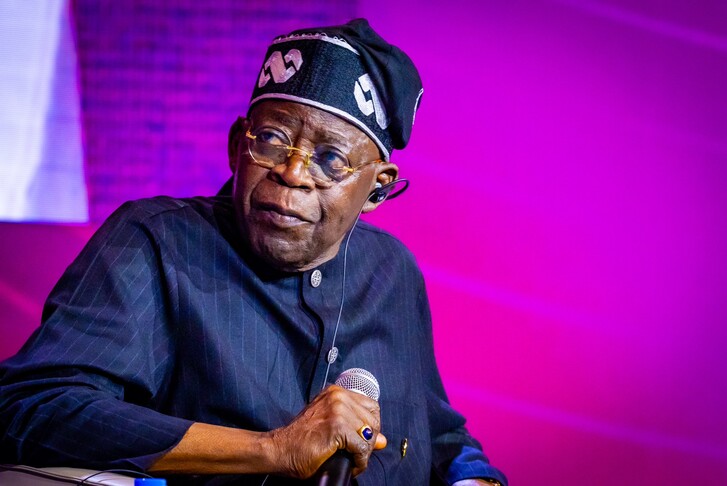
Nigerian President Bola Tinubu has joined a request by the US Department of Justice for a 10-day extension to respond to a court order concerning the release of law enforcement records linked to a historical investigation involving him.
The development was disclosed Tuesday by Washington-based lobbying firm Von Batten-Montague-York, which said it had obtained a copy of Tinubu’s recent filing in the long-running Freedom of Information Act case.
The firm said Tinubu formally joined the Justice Department’s request for more time. US District Judge Beryl Howell, however, declined to grant the full 10-day extension and set Aug. 21 as the deadline for the government and Tinubu to respond.
The case was brought by US transparency activist Aaron Greenspan, who has sought records from US government agencies, including the Federal Bureau of Investigation and Drug Enforcement Administration, relating to past investigations involving Tinubu.
The records sought by Greenspan concern a federal narcotics investigation dating to the late 1980s and early 1990s, as well as a 1993 civil forfeiture involving about $460,000 that Tinubu surrendered to US authorities.
The forfeiture has for years been cited by Tinubu’s political opponents in Nigeria as evidence of alleged links to narcotics trafficking. Tinubu has denied wrongdoing and has not been convicted of drug trafficking in the US.
The issue resurfaced during legal challenges to Tinubu’s victory in Nigeria’s 2023 presidential election. Former Vice President Atiku Abubakar and Labour Party candidate Peter Obi argued, among other things, that the forfeiture should have affected Tinubu’s eligibility to contest the election.
Nigeria’s Presidential Election Petition Court, however, dismissed the challenges and affirmed Tinubu’s election.
Greenspan’s FOIA litigation is separate from Nigeria’s election cases. It seeks access to government records rather than a judicial determination of whether Tinubu committed a criminal offense.
In April 2025, Howell ordered the FBI and DEA to search for and process nonexempt records responsive to Greenspan’s requests. The judge rejected the agencies’ previous reliance on so-called Glomar responses, under which an agency neither confirms nor denies the existence of responsive records.
The ruling did not establish that Tinubu committed a drug-trafficking offense. Rather, it concerned whether US agencies had complied with their FOIA obligations and whether records not legally exempt from disclosure should be processed and released.
The agencies subsequently sought additional time to comply with the court’s orders, leading to further proceedings before Howell.
The latest development has also acquired a political dimension in Nigeria.
Von Batten-Montague-York, which disclosed Tinubu’s filing, has worked for Atiku, Tinubu’s political rival and a former vice president. The firm has campaigned for the release of the records and said in July that it had provided documents concerning the historical case to officials in the administration of US President Donald Trump, members of Congress and congressional staff.
The firm has argued that records subject to lawful disclosure should be released and has continued to publicly pressure US authorities over the case.
The renewed attention comes ahead of Nigeria’s 2027 presidential election, in which Tinubu is seeking a second term.
Tinubu’s decision to join the Justice Department’s request does not, by itself, establish that he is seeking to prevent the eventual release of records. The filing is part of the ongoing legal process concerning the timing and scope of disclosure.
With Howell declining to grant the requested 10-day extension in full, the US government and Tinubu’s legal team face an Aug. 21 deadline.