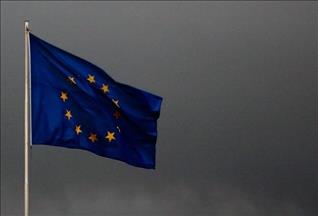
Canadians, Americans granted reprieve on EU visas
Controversial visa decision delayed until July
By Barry Ellsworth
TRENTON, Canada
A decision whether to impose travel visas for Americans and Canadians heading for Europe has been delayed until later this summer, U.S. and Canadian media reported Tuesday.
The controversy regarding mandatory visas stems from Canada and the U.S. requiring travel visas for visitors from a handful of the 28 European Union (EU) countries.
The EU College of Commissioners was expected to decide at a meeting Tuesday in Strasbourg, France, if its members would impose retaliatory measures and require Americans and Canadians to obtain travel visas to visit its member countries.
“EU citizens rightly expect to travel without a visa to any third country whose citizens can enter (EU countries) visa-free,” commission member Dimitris Avramopoulos said after the meeting, according to the New York Times.
The United States requires visas for citizens of Bulgaria, Romania, Croatia, Greek Cypriot administration and Poland. Canada has mandatory visas for Bulgaria and Romania.
A State Department spokesman said citizens of the five countries who must obtain visas have not “met the legal requirements” necessary under U.S. law to visit without a visa.
He did not elaborate but added that the U.S. understood the EU’s argument of reciprocal action on visas. “We have always treated the Visa Waiver Program as on a case-by-case or individual bilateral relationship,” he said.
Meanwhile, Canada is trying to strike a trade pact with the EU but the visa controversy could hamper that goal. Immigration lawyer Joel Sandaluk told Canadian media that visa restrictions for Bulgarians and Romanians is based on past behavior.
“In Canada’s experience, Romanians and Bulgarians have a higher rate than most European nationals of overstaying their stays in Canada or being denied admission to Canada,” he said. “So Canada has imposed a requirement on nationals of those countries to basically assess their eligibility before they enter Canada.” Britain and Ireland are exempt from the policy and would not be affected if the EU imposed travel visas.
Sandaluk said it was hard to believe the EU – including top tourist destinations such as = Italy, France and Spain – would make travel more difficult for American and Canadian tourists wishing to visit its member countries.
“Especially after a number of terror attacks, I think a lot of people are concerned that spending in Europe on tourism is going to decline,” he said.
“The last thing they’d want to do right now is impose additional requirements and make it even harder to visit.”