Beril Canakci
26 August 2026•Update: 26 August 2026
US colleges and universities are scaling back Black, African and African American studies programs, citing declining enrollment and financial pressures, while academics say political efforts targeting diversity and race-related education are also contributing to the trend.
More than a dozen private colleges and public universities have reduced, merged or eliminated programs in the fields since 2024, according to a review published Tuesday by The Washington Post.
The changes include closing or consolidating academic units, eliminating majors and reducing faculty positions and course offerings at institutions including the University of Iowa, the University of Texas at Austin and the University of Kansas.
Other universities, including Kennesaw State University, the University of Toledo and Indiana University Bloomington, have eliminated or begun phasing out degree programs in the field.
The developments come as colleges across the US face mounting financial pressures, while Republican-led states have introduced measures restricting how universities teach subjects involving race, gender and identity.
Enrollment and financial pressures
Universities have largely attributed the changes to low student demand, budget constraints and state requirements to review or eliminate programs with few graduates.
Federal data analyzed by The Washington Post show that fewer than 700 African American studies degrees were awarded nationwide in each of the past three years, the lowest level in two decades.
At the University of Iowa, administrators cited low enrollment when deciding to eliminate the African American studies major and close the program. The university said only nine students were enrolled in the bachelor's program at the time.
The University of North Texas, meanwhile, is facing a projected $45 million budget shortfall and has proposed closing or consolidating several programs, including minors in Africana studies, Asian studies, Mexican American studies, LGBTQ studies and women's and gender studies.
At the University of Toledo, admissions to the Africana studies bachelor's program were suspended under an Ohio requirement for universities to review programs with low numbers of graduates.
The changes do not necessarily mean universities are ending teaching or research on race and African American history altogether. Some institutions are restructuring programs while retaining courses, minors or research activities.
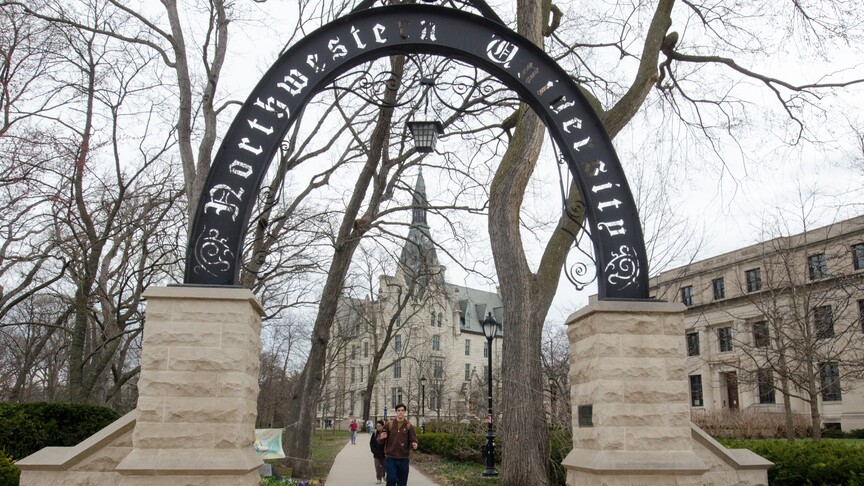
Northwestern University, for example, moved its African studies program administratively while saying it would continue research and offer undergraduate and graduate programs in the field.
Political pressure
The changes are also taking place amid a broader political fight over diversity programs and the teaching of race and gender in US higher education.
President Donald Trump's administration has moved to dismantle diversity, equity and inclusion initiatives across the federal government and has argued that some such programs amount to unlawful racial discrimination. It has also moved to restrict or withdraw federal research funding over diversity-related policies and race-related research.
Several Republican-led states have adopted their own restrictions.
A Florida law bars certain core general education courses from teaching what it describes as "identity politics," while North Carolina legislation limits requirements for public university courses involving what lawmakers describe as "divisive concepts" related to race and gender.
Texas A&M University also canceled several courses, including Introduction to Race and Ethnicity, following new rules governing instruction on race and gender.
"Politics is the engine, not a factor," Jafari Sinclaire Allen, director of Columbia University's Institute for Research in African American Studies, told The Washington Post.
Allen warned that the reductions could have long-term consequences for research and the training of future scholars.