Mücahithan Avcıoğlu
02 November 2026•Update: 02 November 2026
US manufacturing growth accelerated in October as factory output rose at its fastest pace in nearly five years, the Institute for Supply Management said Monday.
The institute's manufacturing purchasing managers' index rose one point to 55.5, exceeding economists' expectations that it would remain unchanged from September's reading of 54.5.
A reading above 50 indicates expansion in manufacturing activity, while one below 50 signals contraction.
The production index climbed to 59 from 56.7, reaching its highest level since November 2021, according to the institute.
The new orders index edged up to 55.5 from 55.3, marking the 10th consecutive month of growth.
Meanwhile, the employment index slipped to 52.4 from 52.7, indicating a slower pace of hiring.
Twelve manufacturing industries reported growth, including plastics and rubber products, machinery, and computer and electronic products.
Three industries reported contraction: printing and related support activities, paper products, and nonmetallic mineral products.
More than half of manufacturers report higher input costs
Raw material prices increased for the 25th consecutive month, although fewer manufacturers reported rising costs, according to the institute.
The share of manufacturers paying higher prices declined to 53.1% from 58.6% in September, pushing the prices index down to 75.2 from 77.9.
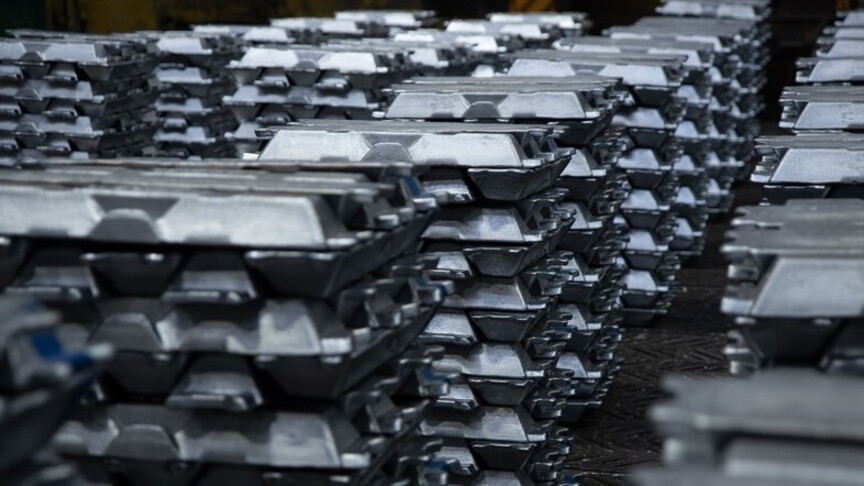
The institute attributed the continued price pressures to higher steel and aluminum costs, import tariffs and the impact of the Middle East conflict on petroleum-based products.
Supplier delivery times lengthened for the 11th consecutive month, while manufacturers reported shortages of copper, steel and electronic components.
Factory inventories returned to growth in October after contracting in September, according to the survey.
S&P Global revises October reading lower
A separate survey by S&P Global showed that US manufacturing activity continued to expand in October, although growth slowed from September.
The firm's final manufacturing purchasing managers' index stood at 54.9, below both the preliminary estimate of 56 and September's reading of 55.9.