Elena Teslova
27 April 2026•Update: 27 April 2026
Russia on Monday said it blacklisted European officials involved in making "anti-Russian policies" as a response to the EU's 20th package of sanctions.
The Foreign Ministry said in a statement that the list includes European officials involved in military aid to Ukraine, actions against Russia’s territorial integrity, anti-Russian sanctions, undermining Russia’s foreign ties, and obstructing Russian maritime navigation.
Politicians promoting ideas of persecuting Russian officials, establishing a “tribunal” against Russian leaders, and seizing Russian assets or their profits were also put on the list.
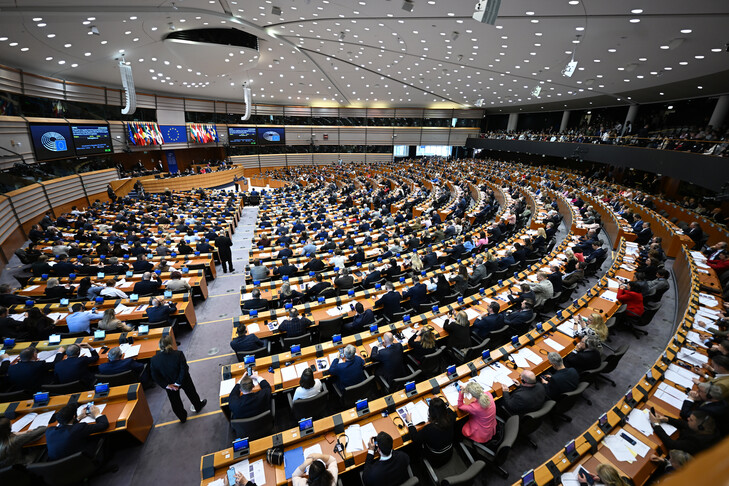
Besides, the ministry said, restrictive measures were been introduced against civil activists and representatives of the academic community from European states "who hold positions hostile to Russia," as well as against deputies of national parliaments of EU member states and the European Parliament who voted for anti-Russian resolutions and legislative bills,
"The destructive policy of Brussels is incapable of having any impact on the foreign policy course of our country. Russia has been and remains committed to protecting its national interests, ensuring the rights and freedoms of its own citizens, and consistently participating in the formation of a fair multipolar world order," the ministry said.
On April 23, the EU formally adopted its 20th sanctions package against Russia, marking the largest set of individual listings in two years with 120 new designations targeting the energy sector, military-industrial complex, and financial services, including cryptocurrencies.
The 27-member bloc also imposed transaction bans on 20 Russian banks, prohibited services for Russian LNG tankers and icebreakers, and sanctioned 46 more "shadow fleet" vessels, bringing the total to 632.