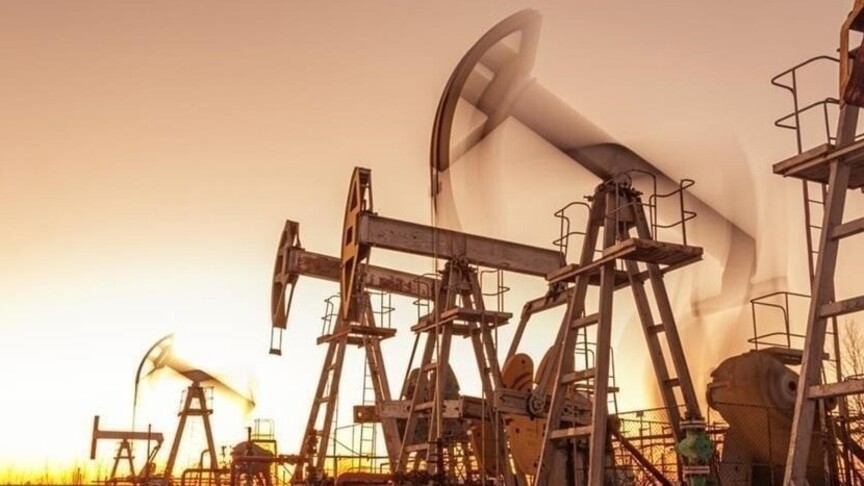
Brent crude climbed above $105 a barrel on Monday as the absence of progress in Iran–US negotiations kept concerns over potential supply disruptions firmly in focus.
International benchmark Brent crude traded at $105.55 per barrel at 9.26 a.m. local time (0626 GMT), up around 4.2% from the previous close of $101.29.
US benchmark West Texas Intermediate (WTI) increased about 4.9% to $100.06 per barrel, compared with $95.42 in the previous session.
The gains were driven by ongoing conflict in the Middle East, which has increased fears of prolonged disruptions to global oil supply. Persistent tensions around the Strait of Hormuz, a key chokepoint for energy shipments, have further heightened concerns over potential supply interruptions.
Israeli Prime Minister Benjamin Netanyahu said the war with Iran is "not over" because Tehran still possesses enriched uranium that must be removed.
"I think it accomplished a great deal. But it's not over because there's still nuclear material, enriched uranium, that has to be taken out of Iran," Netanyahu told CBS News in an interview with chief Washington correspondent Major Garrett that aired Sunday. His remarks added to expectations that regional tensions may not ease in the near term.
Separately, US President Donald Trump on Sunday rejected Iran's response to the latest US proposal to end the war.
"I have just read the response from Iran's so-called 'Representatives.' I don't like it -- TOTALLY UNACCEPTABLE!" Trump said on his social media platform, Truth Social.
The post came hours after Iranian state-run media reported that Tehran had sent its response to the latest US proposal through Pakistani mediators.
Meanwhile, Iranian state broadcaster Press TV reported early Monday that Iran's latest counterproposal to a US peace plan calls for compensation from the US and stresses Tehran's sovereignty over the Strait of Hormuz.
The report said it also demands an end to sanctions and the release of Iranian assets frozen abroad. Tehran rejected the US plan because it would have required submission to Trump's "excessive demands," the report said.
The developments have reinforced market perceptions that the prospects for a ceasefire are weakening, while risks of disruptions to energy flows remain elevated. Analysts note that while high inventories, strategic reserve releases, and weak demand have recently limited price gains, the lack of a clear US-Iran agreement continues to keep upside risks in place.
By Ebru Sengul Cevrioglu