Mucahithan Avcioglu
22 May 2026•Update: 22 May 2026
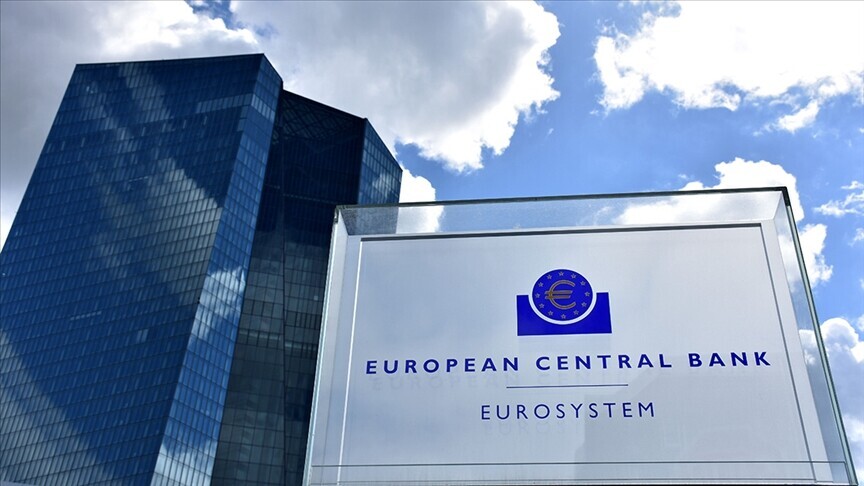
European Central Bank (ECB) President Christine Lagarde said Friday that long-term inflation expectations in the euro area remain broadly anchored, even as the energy crisis triggered by developments in the Middle East continues to push up inflation and weigh on the economy.
Speaking to reporters after a Eurogroup meeting of eurozone finance ministers in the Greek Cypriot Administration, Lagarde said the ECB remains firmly committed to price stability amid high uncertainty caused by the energy shock.
She said the energy crisis has significant direct and indirect effects on EU economies, adding that she briefed ministers on economic activity in the euro area, recent inflation developments, and the monetary policy decision taken by the ECB in April.
Lagarde said long-term inflation expectations remain broadly well anchored despite the upward pressure on inflation and downward pressure on economic activity.
She added that the implications of the war for medium-term inflation and economic activity would depend on the intensity and duration of the energy price shock, as well as the scale of its indirect effects.
Lagarde said the ECB is determined to set monetary policy in a way that ensures inflation stabilizes at its 2% target over the medium term.
Asked about the ECB’s next monetary policy meeting on June 11, Lagarde declined to give a clear signal.
“We will continue to follow a data-dependent and meeting-by-meeting approach, in order to determine the most appropriate monetary policy stance in order to deliver on our 2% medium-term target,” she said.
Lagarde also said fiscal policy measures aimed at addressing the energy-price shock should be temporary, targeted, and proportionate.