By Selen Tonkus
ANKARA
The European Union believes that Turkey is “sufficiently prepared” to start membership negotiations under chapter 15 on energy, a European Commission official said on Wednesday.
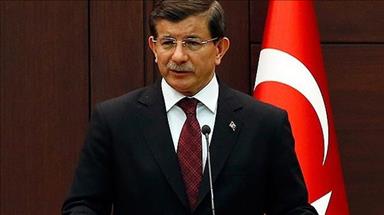
The comments follow Turkish Prime Minister Ahmet Davutoglu’s January tour of several EU capitals including Brussels, where he said that the government would focus on the EU membership process throughout the year.
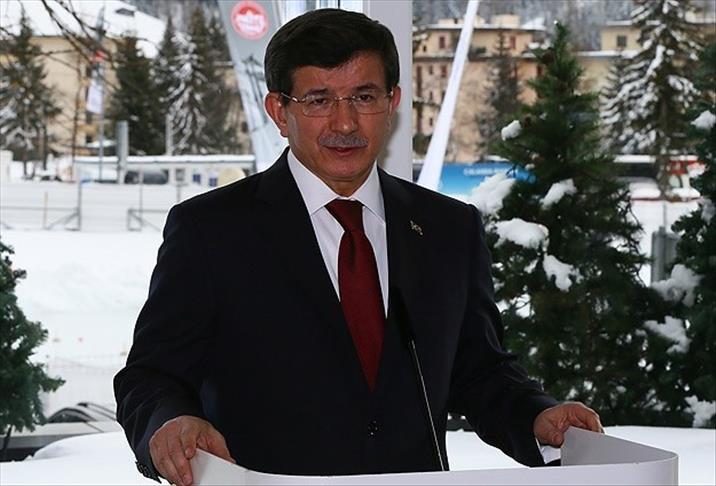
During a speech at the Davos Economic Forum on Jan. 23, Davutoglu said that opening the energy chapter would benefit the EU more than Turkey, considering the EU's supply security and diversification-focused energy policy.
Asked whether there has been renewed effort on the Commission's side to open the energy chapter, spokesperson Maja Kocijancic said: "The Commission considers that energy policy is a key issue in our relations with Turkey and to this end, the Commission has made a proposal to the Council in 2007 to open this chapter, which until now could not rally the required unanimity among the member states."
The European Commission completed screening meetings on the energy chapter between May and June 2006 and presented its report to the EU council in 2007. However, the screening report is still pending approval at the Council, as the chapter remains blocked by the Greek Cypriot administration.
"The Commission is discussing this issue with Member States on a regular basis, stressing the European interest in making progress,'' Kocijancic added.
Greek Cypriots continue to block the chapter due to ongoing conflict on the island over the ownership of hydrocarbon reserves in exclusive economic zones off the shore. Greek Cypriot efforts to sell hydrocarbons and boost exploration and production activities have upset Turkey, which has said it will not accept such attempts unless a peace agreement is reached over the divided island.
The latest EU progress report defined Turkey's harmonization with EU acquis communautaire and its performance on the energy chapter as "advanced."
Since 2005 Turkey has been in negotiations on 13 of these policy areas and back in November 2013, following three years of deadlock, negotiations began on chapter 22 covering regional policies after Germany lifted its block following a positive progress report in October 2013.