Burhan Sansarlioglu, Emir Yildirim
05 November 2026•Update: 05 November 2026
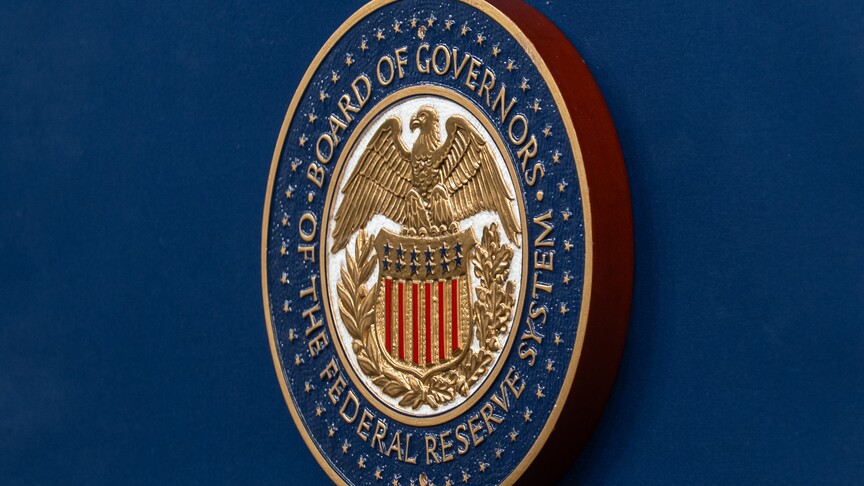
The Democratic Party’s sweeping victory in the US midterm elections on Tuesday secured majorities in both chambers of Congress, fueling expectations that domestic inflationary pressures may ease, leading the Federal Reserve to potentially scale back its expected hawkish moves.
The new political balance is expected to curb massive artificial intelligence (AI) investments and also set a roadblock against the Trump administration’s expansionary fiscal policies.
The Democratic takeover also contributed to the optimism that US President Donald Trump may be prompted to adopt a more moderate stance on US-Israel-Iran tensions.
De-escalation in the Middle East is expected to drive down energy prices, potentially eliminating a major source of global inflation and easing the upward pressure on interest rates worldwide.
Geopolitical energy concerns drove the Fed to hike its policy rate by 25 basis points to a range of 3.75%-4% in September, the bank’s first rate hike since 2023.
Tim Waterer, global chief market analyst at KCM Trade, said Wednesday that a Democratic sweep “would probably be the least desirable outcome for tech stocks and risk assets more broadly.”
He noted that the public backlash against the rapid expansion and construction of AI data centers have been one of the key issues in many previous congressional races.
“Opposition to the AI data-center buildout became a cornerstone issue in a number of congressional races,” Waterer told Anadolu. “If the party follows through on that campaign rhetoric, it could slow the pace of data-center construction — that in itself would carry a mildly deflationary impulse for the broader economy, which may in turn scale back expectations for just how aggressive the Federal Reserve needs to be with rate hikes from here.”
Kyle Rodda, senior financial markets analyst at Capital.com, said markets are reacting to the political developments as a sign of weakening fiscal stimulus due to the expectations that Congress will block or disrupt Trump’s policies.
“At the margins, that reduces the upside risk to US inflation and interest rates,” he said.