Mucahithan Avcioglu
09 July 2026•Update: 09 July 2026
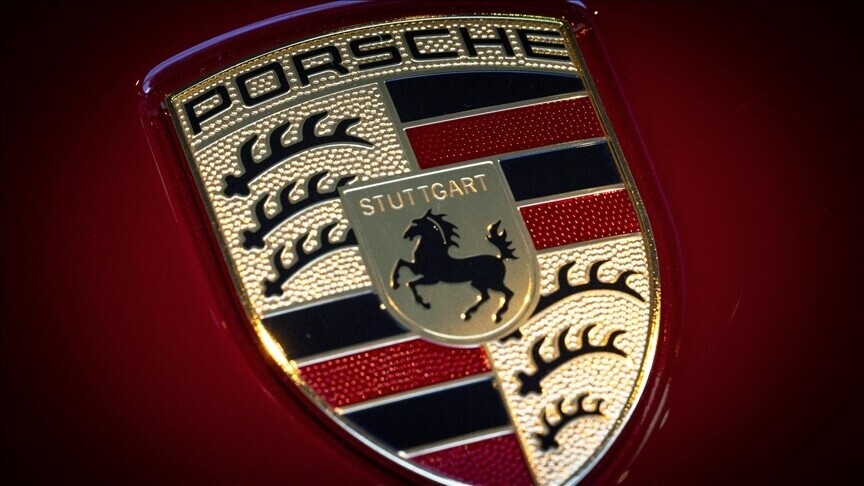
Porsche's global deliveries fell 16% in the first half of the year to their weakest level in six years, as weak demand in North America and a sharp decline in China weighed on the German luxury sports carmaker.
The Volkswagen-owned company delivered 122,306 vehicles this January-June, Porsche said Thursday.
The decline marked Porsche’s lowest first-half delivery volume since 2020, when the auto industry was disrupted by the COVID-19 pandemic.
Deliveries fell across all regions, with sales in China plunging 32% and North America declining 13%.
Porsche said the drop was driven by several factors, including the end of production of the combustion-engine 718 model, strong prior-year demand for the all-electric Macan, and the expiration of US tax incentives for electric and hybrid vehicles.
The figures add to pressure on CEO Michael Leiters, who took over in January after previously leading manufacturing operations at Ferrari.
Porsche has been seeking to restore profitability after a difficult period marked by weaker electric vehicle demand, pressure in China, and a sharp decline in its share price.
The company was removed from Germany’s benchmark DAX index earlier this year after its market value fell.
Porsche has already announced plans to cut around 3,900 jobs by 2029 and is preparing further cost-saving measures as it adjusts to lower output.
The decline comes as Germany’s premium automakers face a broader slowdown, particularly in China, where weaker consumer demand and rising local competition are weighing on sales.
Mercedes-Benz said Wednesday that second-quarter car deliveries fell 8%, including a 30% drop in China, while BMW has warned that weak demand in the Chinese market will put pressure on its profit margin.
Porsche, traditionally one of Volkswagen’s most profitable brands, has been an important contributor to group earnings, helping offset weaker returns from VW’s mass-market operations.