ANKARA
The three-day regional workshop on natural capital accounting, or NCA, opened in Istanbul on Monday to better monitor, manage, and enhance the productive use of natural assets in their respective countries.
Natural capital accounting involves valuing natural resources as accurately as possible, and including in national accounts the costs and benefits of conserving versus destroying them.
According to a stetement by the World Bank in Turkey, the workshop, which is organized jointly by Turkey’s Ministry of Development, the Turkish Statistical Institute, and the World Bank under the auspices of the Wealth Accounting and Valuation of Ecosystem Services Partnership Program, aims to stimulate discussion among countries on the next steps for incorporating NCA into policy and development planning in their respective countries.
The workshop will present the methodology for NCA, and will illustrate it with the cases of water and forest accounts. Fifty experts from 12 countries including, Albania, Azerbaijan, Belarus, Bosnia and Herzegovina, Georgia, Kazakhstan, Kyrgyz Republic, Moldova, Tajikistan, Turkey, Turkmenistan, and Uzbekistan
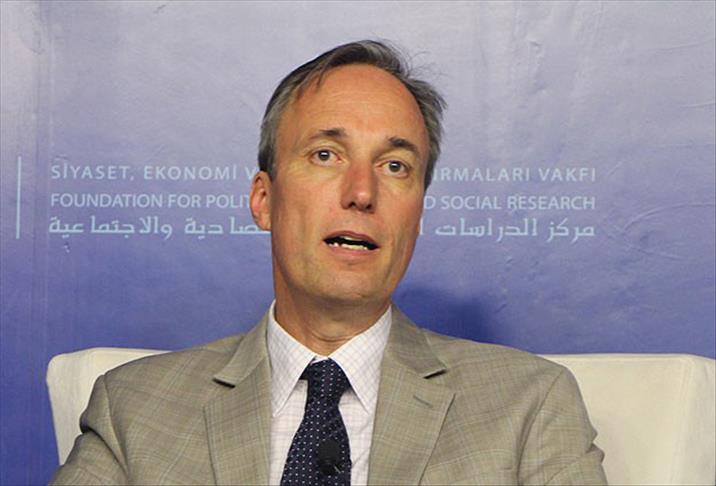
“Sustainable economic growth requires that countries build on and maintain their natural capital. Natural capital accounting is a key tool to facilitate better decision-making, oriented towards greater economic resilience and a more efficient use of a country’s natural endowments," Martin Raiser, World Bank Country Director for Turkey, said.
According to the World Bank, the concept of accounting for natural capital has been around for more than 30 years.
However, progress in moving beyond conceptual thinking towards practical implementation of natural capital valuation has been slow.
The World Bank says that tarriers to implementation include the lack of internationally‐agreed methodologies for ecosystem valuation, a lack of uptake of natural capital accounting by policy makers, especially finance ministers, capacity limitations in many developing countries and lack of leadership in moving “beyond Gross Domestic Products.”