Rabia İclal Turan
16 July 2026•Update: 16 July 2026
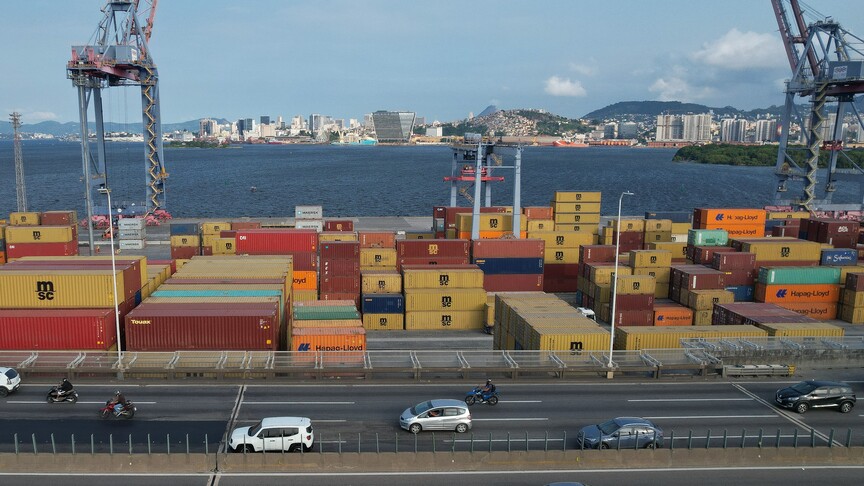
The US imposed 25% tariffs Wednesday on certain imports from Brazil following an investigation which found that the South American country engaged in “unfair” trade practices involving digital trade, electronic payments and other sectors.
The Office of the US Trade Representative (USTR) said in a statement that the action was taken following a yearlong investigation under Section 301 of the Trade Act of 1974, which allows the US to investigate and respond to foreign government practices deemed "unreasonable, unjustifiable or discriminatory" and that burden American commerce.
"Extensive negotiations with Brazil over the past year have not resolved these issues, but we remain open to continuing negotiations with Brazil to bring about long-needed changes to the problems identified in this investigation," US Trade Representative Jamieson Greer said in a statement.
A senior administration official told reporters on a background call that the investigation found that Brazilian courts had taken actions against US technology companies that "amount to an unfair trade barrier."
"For example, Brazilian courts have issued secret orders directing US technology companies to remove certain political content, suspend accounts belonging to its residents, and prohibit platforms from disclosing these orders," the official, who spoke on the condition of anonymity, told reporters.
The investigation also found that Brazil had "unfairly disadvantaged" US electronic payment service providers by favoring Pix, the payment system operated by Brazil's central bank, the official added.
The official also accused Brazil of granting preferential tariff treatment to India and Mexico while denying similar access to US exporters.
As part of the action, the administration excluded several products from the tariffs, including oranges and orange juice, certain energy products and certain aerospace parts and components.
The Section 301 investigation, launched last year at US President Donald Trump's direction, also examined Brazil's policies on anti-corruption enforcement, intellectual property protection, ethanol market access and illegal deforestation.