Burhan Sansarlioglu, Emir Yildirim
25 August 2026•Update: 25 August 2026
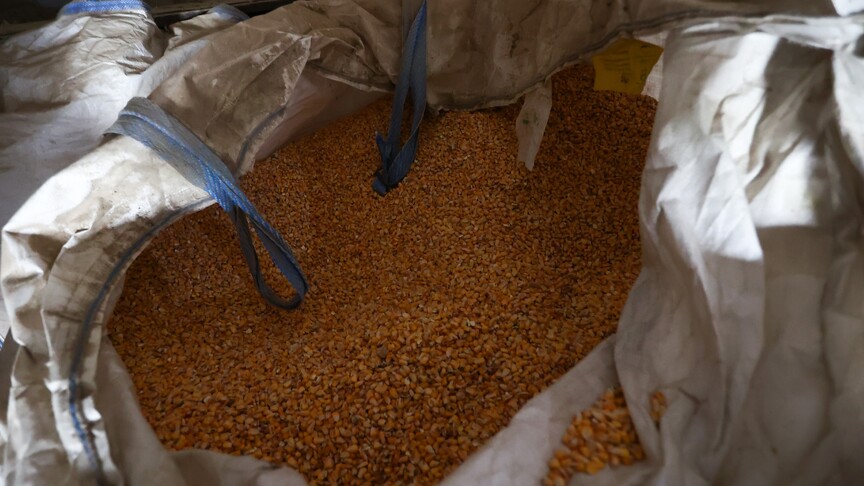
Corn prices rose to $5.2425 per bushel in global markets, reaching their highest level in three years amid the El Nino weather event, dry conditions and geopolitical risks due to the Russia-Ukraine war.
Price movements in grains came to the fore due to El Nino, with sharp hikes in corn prices.
Corn previously reached $5.2450 on July 31, 2023.
Corn rose more than 11% compared with the end of July and increased more than 17% compared with the end of December 2025.
The bushel price of corn later stabilized at around $5.18.
Growing concerns over crop yields in the US fuel expectations of tighter supplies and drive up corn prices, while rising US corn exports contribute to the price increase.
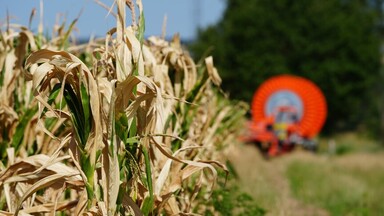
Hot and dry weather in some corn-producing regions of the US, adverse weather in Europe and ongoing grain shipment disruptions in Ukraine fuel concerns over the global corn supply.
The corn harvest in the American Midwest came in lower than expected, while Russian and Ukrainian attacks on each other's shipping routes halted grain exports.
While weather conditions threaten production, geopolitical disruptions pose risks to crop deliveries, and given the already high energy and fertilizer costs, the margin for offsetting additional supply shocks narrows.
Waning expectations of Fed rate hikes and falling demand for the US dollar also continue to drive up commodity prices.
Zafer Ergezen, a futures and commodities expert, told Anadolu that El Nino’s effects began to be seen in June, especially in South America, Southeast Asia and Australia, and to a somewhat lesser extent in the US and Europe.
“We’re seeing a serious impact of the weather phenomenon in West Africa,” he said. “There were concerns over a decline in corn yields, especially in Brazil, the US, and Southeast Asia.”
Ergezen stated that oil prices also contributed to the rise in corn prices as demand for corn used in biodiesel production climbs when oil prices rise, while around 60% of the corn produced across the globe is used for industrial purposes.
The combined effects of El Nino and high oil prices were instrumental in raising corn prices.
“El Nino will continue until the beginning of next year, and if oil remains at these levels, we may see even more upward movements in corn,” he said.
“As long as oil prices don’t decline and there isn’t a lasting peace deal between the US and Iran, I don’t expect a deep pullback in corn prices,” he added.