Dilara Hamit
12 August 2026•Update: 12 August 2026
A German digital rights organization filed a criminal complaint Wednesday against Meta and several companies involved in selling its AI-powered smart glasses, alleging that the devices violate the country’s privacy laws.
The complaint targets the management of Meta Platforms Technologies Ireland, eyewear brands Ray-Ban and Oakley, as well as retailers Fielmann, Apollo-Optik, Mister Spex and MediaMarkt.
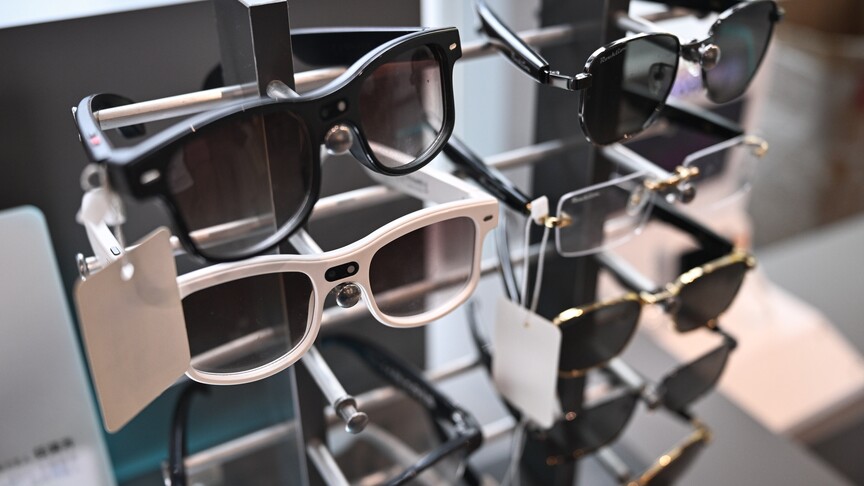
HateAid said the sale of the Ray-Ban Meta smart glasses, particularly the Wayfarer Gen 2 model, violated Germany’s Telecommunications-Digital Services Data Protection Act.
The law prohibits the manufacture or sale of communications devices disguised as ordinary objects and designed to record images or private conversations without consent. Violations can carry a prison sentence of up to two years or a fine.
HateAid argued that Meta’s glasses are difficult to distinguish from conventional Ray-Ban products and that the small light indicating when the camera is recording does not provide sufficient warning to people nearby.
“There is nowhere people are safe from smart glasses,” HateAid Managing Director Josephine Ballon said, warning that people could be filmed at any moment and later exposed online.
Growing cases of image-based digital violence
The organization said it had documented a growing number of cases involving image-based digital violence, particularly against women, and accused smart-glasses manufacturers of disguising surveillance technology as an everyday product.
HateAid called for the sale of the Ray-Ban Meta glasses to be prohibited in Germany and demanded mandatory “safety by design” measures, including more visible and tamper-resistant camera markings.
Germany’s Federal Network Agency, or BNetzA, has previously said smart glasses are prohibited when optical or acoustic signals do not sufficiently alert people that photographs or videos are being taken.
The regulator said ownership, import and sale of smart glasses are not automatically prohibited as long as the recording function is clearly recognizable. It is monitoring the market but has not opened a formal investigation into possible violations.
The Hamburg Commissioner for Data Protection and Freedom of Information has separately been examining the Ray-Ban Meta glasses since 2025, focusing on the visibility of recordings, the processing of images and audio, AI functions and the possible use of collected data for training Meta’s systems.
The authority has said the glasses’ small white recording light may not be visible from every angle, distance or under all lighting conditions, potentially leaving people unaware that they are being filmed.
Mister Spex said it had not been formally notified of the complaint and that it took privacy protection seriously. There was no immediate public response from Meta or the other companies named in the complaint.