Yuksel Serdar Oguz
18 April 2014•Update: 19 February 2017
ISTANBUL
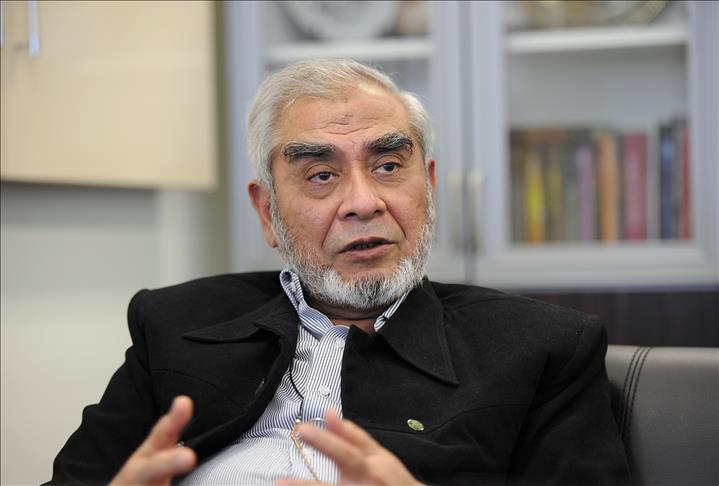
Leading Pakistani opinion-maker and educationalist Anis Ahmed has described the Arab Spring not an uprising but a 'reawakening', as both Egypt and Algeria experience political tensions around elections.
In an exclusive interview with Anadolu Agency in Istanbul on Friday, Professor Ahmed – the current Vice-Chancellor of Pakistan’s Ripah International University – said the Islamic world shouldn't expect support from Western countries
Accusing Western powers of being focused on their own interests, like controlling energy resources, Anis claimed that Islamic-oriented leaders would be difficult for Western countries to persuade or pressurize.
Ahmed was speaking just hours after Algerians went to the polls to elect a president on Thursday, with the elderly and incumbent Abdelaziz Bouteflika widely expected to win a fourth term. However, abstention rates could be as high as 80% after Islamist and other opposition parties called for a boycott.
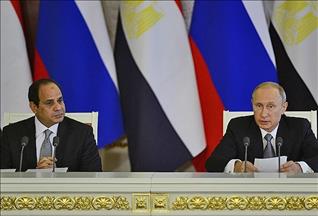
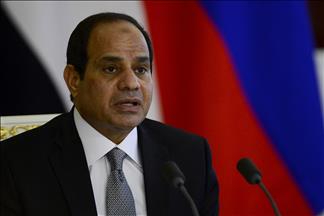
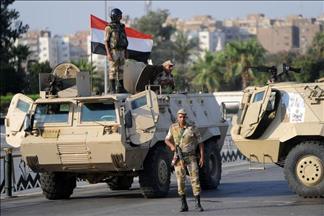
Elsewhere in the region, in Egypt, army chief Field Marshal Abdul Fattah al-Sisi is preparing for a presidential election to be held on 26-27 May. Sisi is anticipated to win the presidency, given his popularity and a lack of any serious rivals.
Touching upon Turkey's position as a role model for Islamic countries during the Arab Spring which began in 2010, Ahmed said Turkey still represented a template for Islamic society; he claimed the country needs more time to achieve further political and economic stability.
On religious matters, Ahmed criticized contemporary Muslim scholars for not keeping up with the modern world, saying they still live in world and needed to come out of that, adding: “To some people sharia means punishment, instead it means new ways of solving problems.”
"Conventional scholars lack understanding of modern issues; they need to modernize themselves. Although Muslim youth face contemporary issues, they lack a depth of Islamic knowledge which would provide them with guidance," he said.
Speaking about the ongoing tension between Pakistan’s Taliban and the government Ahmed said the only way to resolve the conflict was through negotiations. Ahmed said he supported the government's position on this issue, although some global powers did not want the Taliban at the negotiating table.
Pakistan Taliban leader was shot dead on the eve of peace talks with Islamabad in November 2013; on-off negotiations have continued since then.
“Negotiations should take time. We should be patient and watch out for those who don’t want stability in Pakistan and try to abort negotiations,” Ahmed said.
englishnews@aa.com.tr