Ayhan Şimşek
05 October 2026•Update: 05 October 2026
Germany’s chancellor expressed "cautious optimism" Monday following reports that Yemen’s internationally recognized government had seized key territory around the Bab al-Mandab Strait, a strategic chokepoint at the mouth of the Red Sea.
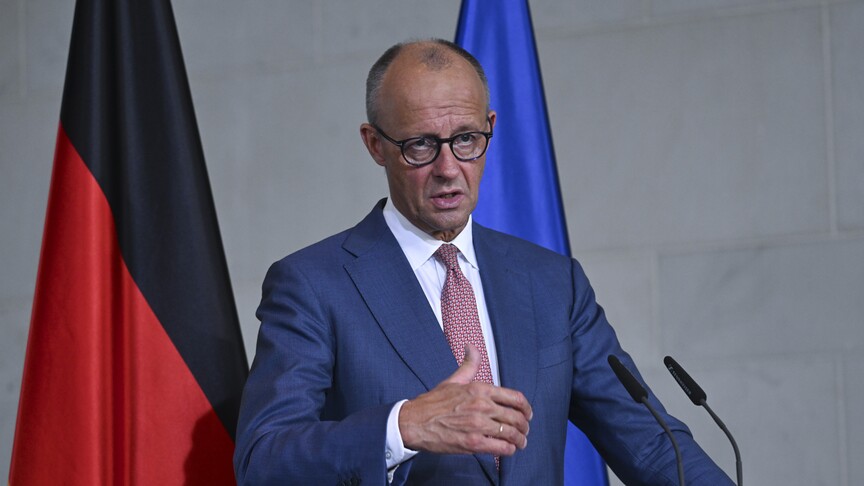
“If there are such reports today, that is perhaps a reason for cautious optimism, but it is nothing more than that,” Friedrich Merz told reporters, during a joint press conference with Mindaugas Sinkevicius, Lithuania’s prime minister.
The remarks came as soaring gasoline prices—driven by the closure of the Strait of Hormuz—heighten domestic pressure on Berlin. Merz emphasized that Berlin is engaged at every level to help de-escalate regional tensions and reopen vital global shipping lanes.
“You know that we are making every effort, at every conceivable level, to do our part to end the conflict in the Middle East,” he said. “Above all, the Strait of Hormuz must be permanently reopened, and without tariffs being levied there. But we are obviously still far from a solution to the problem.”
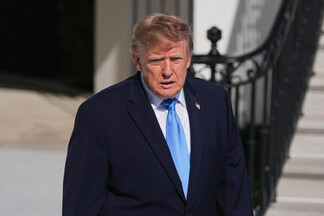
Merz said he had raised the issue again Friday during a G7 video conference with U.S. President Donald Trump.
“We are doing everything on the European side, and we are doing everything from the German government — the foreign minister, the defense minister — to end this conflict as quickly as possible,” he said.
Yemen’s internationally recognized government on Monday said that its forces, after opening a major offensive against Iranian-backed Houthi militia, had seized strategically important ground along Bab al-Mandab. Military officials also said an offensive toward the capital Sanaa had begun.