Sahin Demir
18 May 2026•Update: 18 May 2026
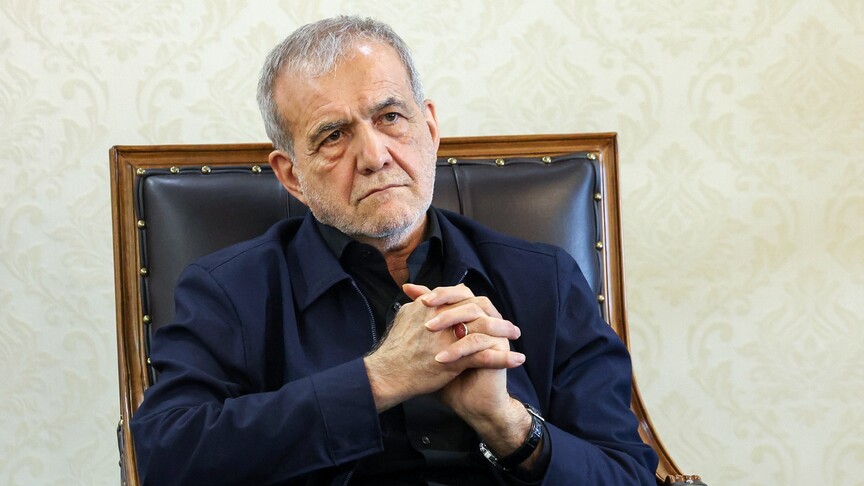
Iranian President Masoud Pezeshkian defended negotiations with the US on Monday, saying Iran was facing serious economic pressure and could not remain in permanent confrontation.
“They blocked the route, and we are not exporting oil either,” Pezeshkian said during a meeting, according to remarks carried by Iran’s semi-official ISNA news agency.
“We cannot easily export oil,” he added.
The president also responded to criticism from opponents of negotiations.
“They chant that we should not negotiate. If we do not negotiate, then what should we do? Fight forever?” he said.
Pezeshkian also said Iran would continue talks “with dignity” while defending the rights of the Iranian people.
He acknowledged broader economic difficulties, saying tax collection had become harder and many businesses were facing problems.
“We cannot say we have no problems,” he said, adding that parts of Iran’s gas, power and industrial infrastructure had also been damaged during the conflict.
Separately, Pezeshkian said in a post on the US social media company X that negotiations did not mean “surrender.”
“The Islamic Republic of Iran enters negotiations with dignity, authority and while preserving the rights of the nation, and will never retreat from the legal rights of the people and the country,” he said.
“We will, with logic and with all our strength, serve the people and protect Iran’s interests and dignity to the very end,” he added.
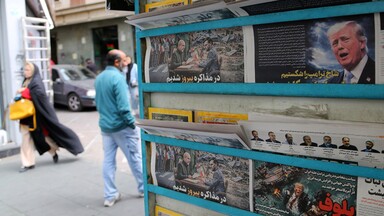
Iran’s Foreign Ministry spokesman Esmaeil Baqaei said early Monday that talks with the US were still ongoing through Pakistani mediation.
Regional tensions have escalated since the US and Israel launched strikes against Iran in February. Tehran retaliated with strikes targeting Israel as well as US allies in the Gulf, along with the closure of the Strait of Hormuz.
A ceasefire took effect on April 8 through Pakistani mediation, but subsequent talks in Islamabad failed to produce a lasting agreement. US President Donald Trump later extended the truce indefinitely.