Şahin Demir
29 October 2026•Update: 29 October 2026
Israel’s Central Elections Committee has completed counting votes in Tuesday’s parliamentary elections, with Prime Minister Benjamin Netanyahu’s bloc securing 53 seats, opposition parties 48 and Arab parties 19, the Ynet newspaper reported Thursday.
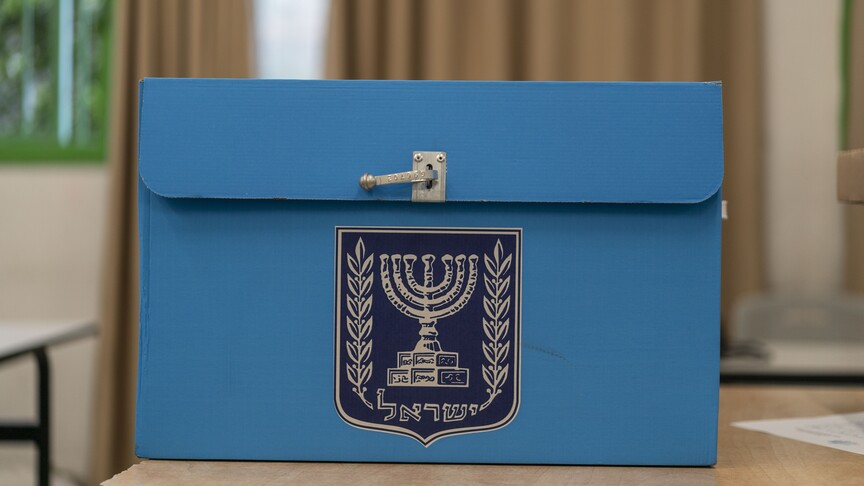
The committee said it had completed counting special ballots, known as double envelopes, but would release the final results later.
Results from 12,644 polling stations have been entered into the system, totaling 5,589,836 votes, including 5,564,764 valid votes and 25,072 invalid votes, it said.
The special ballots include votes cast by soldiers, prisoners, diplomats, and hospitalized voters who could not vote at their regular polling stations.
The overall distribution of seats among the three political groupings remained unchanged from Wednesday’s results, despite changes in individual parties’ seat allocations following the counting of special ballots.
Netanyahu’s Likud party rose from 26 to 27 seats, while the ultra-Orthodox Shas party fell from seven to six.
Among Arab parties, Ra’am gained one seat, increasing its representation to eight, while the Joint List dropped one to 11.
Netanyahu’s bloc includes his Likud party and allied far-right and ultra-Orthodox parties.
The opposition bloc, led by former Israeli Army Chief of Staff Gadi Eisenkot, includes his Yashar party, former Prime Minister Naftali Bennett’s Together alliance, Yair Lapid’s Yesh Atid, Yair Golan’s Democrats and Avigdor Lieberman’s Yisrael Beiteinu.
The two Arab parties, the Joint List and the United Arab List (Ra’am), secured a combined 19 seats, potentially putting them in a pivotal position in negotiations to form the next government.
Netanyahu’s bloc nor the opposition bloc reached the 61 seats required for a majority in the 120-member Knesset.
Voter turnout reached 77.7%, the highest since 1999 and up 7.1 percentage points from the 2022 elections, according to the Central Elections Committee.
The official results are expected to be announced Nov. 4.
President Isaac Herzog will then consult parliamentary factions before appointing a lawmaker to form the next government.
The new Knesset is expected to be sworn in Nov. 10.