Mohammad Sio
26 September 2026•Update: 26 September 2026
The UN Support Mission in Libya (UNSMIL) warned Saturday that attacks against or actions undermining Libya’s oil and energy infrastructure could constitute grounds for measures under relevant UN Security Council resolutions.
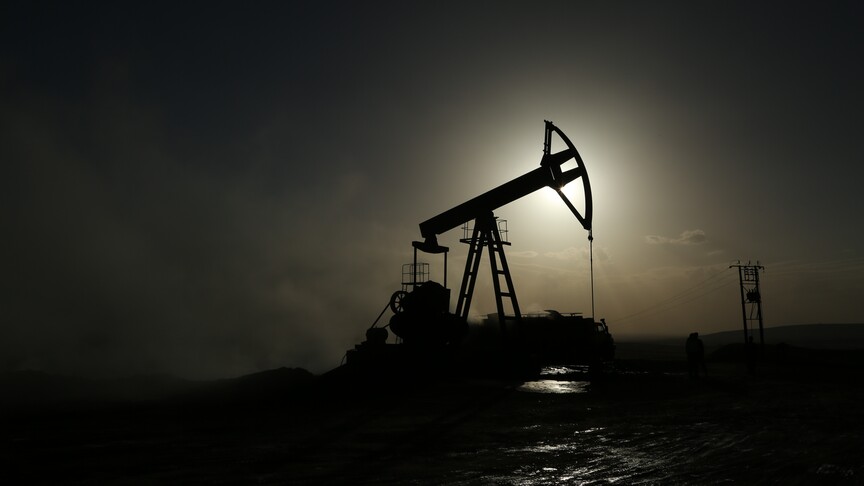
In a statement on US social media company X, UNSMIL said the continued disruption of the Sharara-Zawiya oil pipeline “is adversely affecting Libya's principal source of national income, causing significant losses in oil production and public revenues.”
The mission said prolonged disruption also risks affecting fuel supplies, electricity generation and other essential services relied upon by Libyans across the country.
“Prolonged disruption would increase the need for fuel imports and place additional pressure on public finances,” it added.
While acknowledging workers’ right to peacefully raise legitimate socio-economic demands, UNSMIL called on all actors to protect oil and energy facilities and ensure that technical and operational personnel can safely access and maintain them.
It said oil and energy infrastructure and public resources “must remain protected from political and security disputes, which should be addressed through peaceful means, and preserved in the interests of all Libyans.”
UNSMIL specifically recalled that attacks against, or actions that undermine, Libya’s oil and energy infrastructure “may constitute grounds for the imposition of measures” under relevant Security Council resolutions, including Resolution 2213 (2015).
Resolution 2213 (2015), adopted by the UN Security Council in March 2015, allows sanctions including travel bans and asset freezes against individuals or entities whose actions threaten Libya’s peace and stability, including attacks on state institutions and oil facilities.
The mission urged the relevant authorities and security actors to engage urgently and take necessary measures to resolve disputes peacefully, restore the flow of crude oil and safeguard operations at the Zawiya refinery and related facilities.
The warning comes after Libya’s National Oil Corporation said on Monday that an armed group had shut Valve No. 7 on the crude pipeline linking the Sharara field to Zawiya Port, sharply reducing production at the country’s largest oil field.
Sharara, located in the Murzuq Desert around 800 kilometers (500 miles) south of Tripoli, has a production capacity of about 340,000 barrels per day.
The NOC warned that a prolonged closure could halt production at Sharara as well as oil transport and exports, damage state revenues, disrupt operations at the Zawiya refinery and increase Libya’s fuel import costs. It also said it could declare force majeure if the disruption continued.
On Sept. 15, members of the Petroleum Facilities Guard had also shut the main Hamada-Zawiya pipeline, forcing the suspension of production and operations at three oil sites. The NOC warned that extended closures will harm the national economy and threaten the state’s ability to meet its financial obligations.
The Hamada field is located in the Hamada al-Hamra area of the Ghadames Basin in western Libya, about 400 kilometers (250 miles) south of Tripoli. It is considered one of the key oil and natural gas fields in western Libya and produces around 700 barrels per day.
The disruptions have come amid protests by members of Libya’s Petroleum Facilities Guard over financial and employment demands. Guards had carried out a series of closures to pressure authorities to meet their demands.