By Rafiu Ajakaye
LAGOS
The Nigerian opposition has blasted as the electoral body's decision to delay the general elections by six weeks.
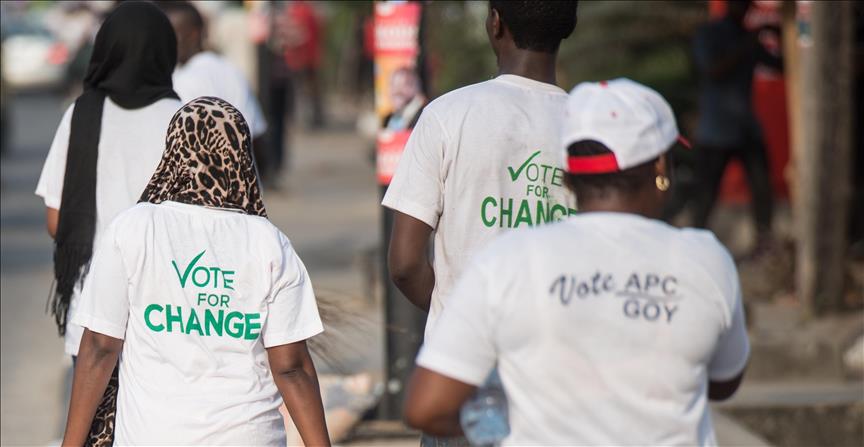
"This is clearly a major setback for Nigerian democracy, and our Party is meeting in emergency session to study its implications and will inform Nigerians of its decisions in the next few days," John Odigie-Oyegun, the national chairman of the opposition All Progressive Congress (APC), said in a Sunday statement.
Nigeria's independent election commission decided late Saturday to postpone the presidential and parliamentary elections by nearly six weeks.
"This decision was taken in good faith and in the interest of democracy," Independent National Electoral Commission Chairman Attahiru Jega told a press conference in capital Abuja.
He said the polls will be held on March 28 instead of Feb. 14 as earlier scheduled.
The governorship and state assembly elections, meanwhile, will be shifted from mid-March to April 11.
Nigerians were supposed to go to the polls on Feb. 14 to elect a president and members of the federal parliament.
The election commission linked the delay decision to the security situation in Africa's most populous nation.
Commission Chairman Attahiru Jega said the decision was based on the recommendation of security agencies who had requested at least six weeks because of their current engagement in the counterterrorism operations in the restive northeast.
But Odigie-Oyegun, the opposition leader, described what happened at the Commission's meeting as "highly provocative."
"I strongly appeal to all Nigerians to remain calm and desist from violence and any activity which will compound this unfortunate development," he said.
"We must not fall into this obvious trap. Change we must. They can only delay it; no one can stop it," insisted the opposition leader.
Odigie-Oyegun said the party would not abandon its "commitment to change", while sustaining the struggle "to establish a new Nigeria."
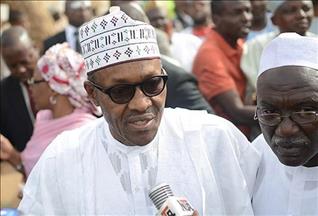
Although 14 candidates will vie for the presidency, the poll is largely seen as a race between incumbent President Jonathan and Muhammadu Buhari, a former military ruler.
Buhari is running on the ticket of the opposition APC, an amalgam of political interests that have come together in an attempt to wrest power from Jonathan's People's Democratic Party, which has ruled the country since its return to democracy in 1999.
In Washington, Secretary of State John Kerry said the U.S. was "deeply disappointed" by the delay decision.
"Political interference with the Independent National Electoral Commission is unacceptable, and it is critical that the government not use security concerns as a pretext for impeding the democratic process," he said in a statement.
"The U.S. underscores the importance of ensuring that there are no further delays," added Kerry.
Washington's top diplomat had recently visited Nigeria following reports of possible poll delay and held separate talks with both Jonathan and Buhari.
"The U.S. government strongly believes in Nigeria having credible, free and fair elections next month," Kerry said at the time.
Jonathan, for his part, said after his talks with Kerry that the May 29 power handover date "is sacrosanct."