Şahin Demir
11 May 2026•Update: 12 May 2026
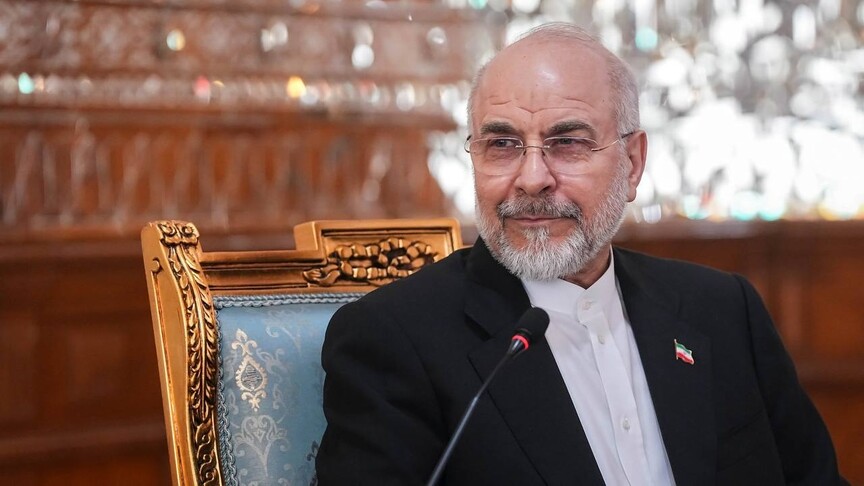
Iran is ready to deliver a “memorable lesson” to any aggression, Iranian Parliament Speaker Mohammad Bagher Qalibaf said Monday after US President Donald Trump rejected Tehran’s latest proposal to end the war.
“Our armed forces are ready to give a memorable lesson to any aggression,” Qalibaf wrote in a post on the US social media platform X.
“Wrong strategies and wrong decisions always produce wrong results. The whole world has already understood this,” he added.
Qalibaf also warned that Iran is prepared for “all options,” saying opponents “will be surprised.”
In a separate post on X, he said there was “no alternative” but to accept the rights of the Iranian people outlined in Tehran’s 14-point proposal.
“Any other approach will be completely inconclusive; nothing but one failure after another,” Qalibaf wrote.
“The longer they drag their feet, the more American taxpayers will pay for it,” he added.
Separately, Iranian Deputy Foreign Minister Kazem Gharibabadi criticized US-led efforts regarding a proposed UN Security Council draft on the Strait of Hormuz.
In a post on X, Gharibabadi said attempts by the US and some regional partners to advance a draft resolution on the strategic waterway were aimed at “distorting the reality” of what he described as military aggression and an illegal blockade against Iran.
He said freedom of navigation cannot be interpreted selectively or separately from the UN Charter, adding that any initiative on maritime security that ignores “the use of force, naval blockade and continuous threats” would lack neutrality and credibility.
Gharibabadi also argued that any proposal concerning the Strait of Hormuz that fails to address what Tehran describes as aggression and Iran’s “legitimate rights” to defend its security interests would be “biased, political and doomed to fail.”
The warning came after Trump rejected Iran’s latest response to a US proposal to end the war as “totally unacceptable.”
Iranian officials and media outlets have said Tehran’s proposal focuses on ending the war, lifting sanctions and restoring maritime security in the Strait of Hormuz.
The US and Israel launched strikes against Iran on Feb. 28, triggering retaliation from Tehran against Israel as well as US allies in the Gulf along with the closure of the Strait of Hormuz.
A ceasefire took effect on April 8 through Pakistani mediation, but talks in Islamabad failed to produce a lasting agreement. The truce was later extended by Trump without a set deadline.