Şahin Demir
07 May 2026•Update: 07 May 2026
- -Top diplomat warns against using Security Council to justify ‘illegal actions’
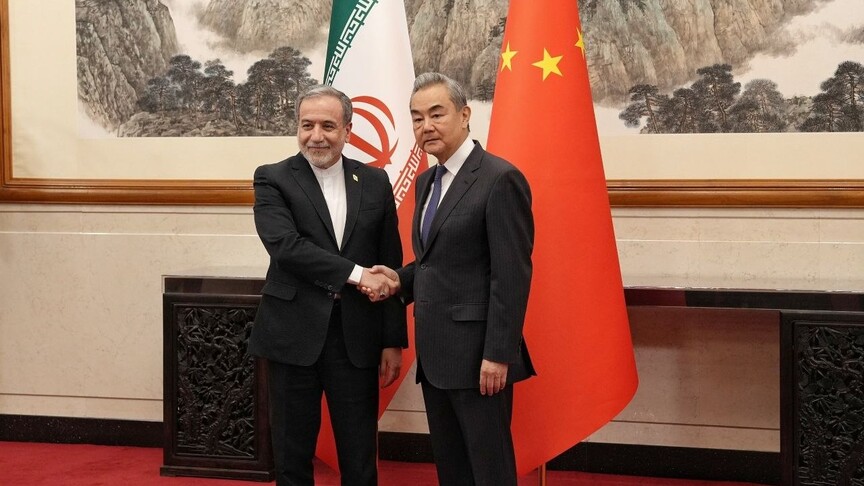
Iran’s Foreign Minister Abbas Araghchi urged UN member states not to support what he described as a “one-sided and provocative” US draft resolution on the Strait of Hormuz, according to the Iranian Foreign Ministry on Thursday.
In a letter addressed to UN Secretary-General Antonio Guterres, Chinese Foreign Minister Wang Yi, China’s UN envoy Fu Cong and UN member states, Araghchi criticized the draft resolution over the situation in the strategic waterway and surrounding areas.
Araghchi said the proposed resolution ignores what Tehran describes as the “root cause” of current tensions, namely the US and Israeli military actions against Iran.
“The current situation is directly and exclusively the result of their unjustified and illegal war of aggression,” he said in the letter.
He argued that “the US-Bahraini draft resolution seeks to distort realities on the ground” and justify what Tehran views as ongoing unlawful US actions in the Gulf and the Strait of Hormuz.
Araghchi also warned against what he described as attempts to misuse the UN Security Council to legitimize unilateral actions and violations of international law.
“The international community should not allow the Security Council to be abused by aggressors or turned into a tool for legitimizing illegal actions,” he said.
The top diplomat further criticized the draft for allegedly ignoring repeated ceasefire violations by the United States, including what Tehran describes as an illegal naval blockade and attacks on Iranian vessels.
He also rejected references to Chapter VII of the UN Charter in the proposed resolution as “unjustified and disproportionate,” warning that adopting the resolution would weaken the credibility of the Security Council and create what he described as a dangerous precedent for legitimizing unilateral coercive measures by Washington.
He also said normal maritime transit through the Strait of Hormuz would resume if the war permanently ends and sanctions and the blockade against Iran are lifted.
“The path to stability lies in the United States adhering to international law, not in misusing the Security Council in ways that further complicate the situation,” he wrote.
Araghchi called on governments to refrain from supporting or co-sponsoring the draft resolution, accusing Washington of exerting pressure on member states for “political and propaganda purposes.”
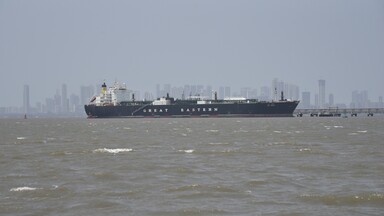
Regional tensions have escalated since the United States and Israel launched strikes on Iran on Feb. 28, triggering retaliation from Tehran and disruptions in the Strait of Hormuz.
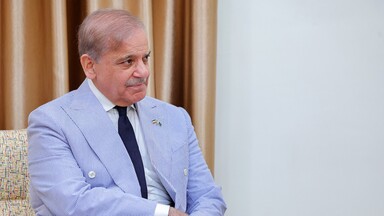
A ceasefire took effect on April 8 through Pakistani mediation, but talks in Islamabad failed to produce a lasting agreement. The truce was later extended by US President Donald Trump without a set deadline.
Since April 13, the US has enforced a naval blockade targeting Iranian maritime traffic in the strategic waterway.