Sinan Dogan
20 June 2026•Update: 20 June 2026
Cuba's National Assembly of People's Power (ANPP) approved a reform package n Friday that includes steps toward liberalization and decentralization as the country grapples with one of its deepest economic crises in decades.
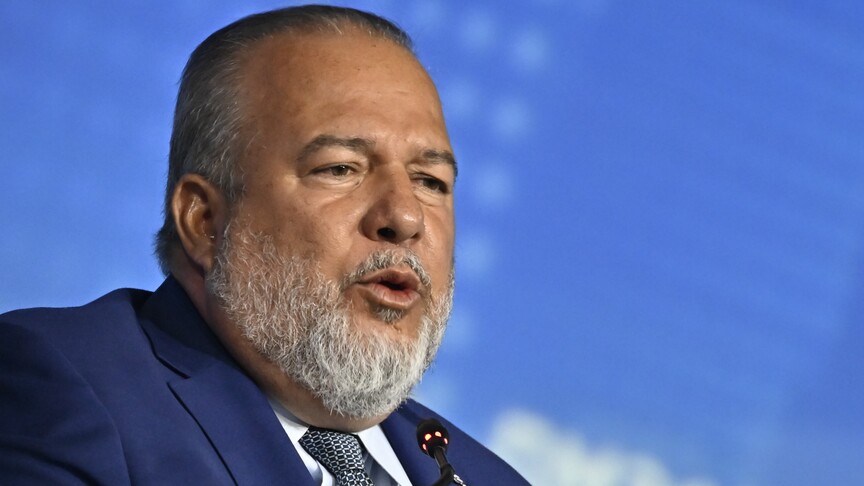
Prime Minister Manuel Marrero described the measures as having "strategic impact" and said the reforms are aimed at preserving the socialist system rather than departing from it.
The package targets new business models in tourism, encourages investment from Cubans living abroad, allows greater private-sector participation and opens the door to private banks under Central Bank supervision.
President Miguel Diaz-Canel rejected claims that the package was drawn up in response to US pressure, saying it reflected Cuba's exercise of its sovereign rights.
"If they really want to help the Cuban people, let the people live in peace. We are living through the most difficult hours of this century, and we have a historic responsibility to save the country," he said.
The measures come as Cuba faces what officials describe as its most severe multidimensional crisis since the "Special Period" that followed the collapse of the Soviet Union in the 1990s.
Official media reported that the economy contracted sharply in the first half of 2026, while average daily power outages reached 20 hours, and the country's electricity deficit climbed to 1,955 megawatts.
Cuban authorities have blamed much of the deterioration on tighter US measures, saying Washington has disrupted oil supplies, pressured companies doing business with Cuba, and restricted the island's access to international credit and financing.
The White House said May 1 that President Donald Trump signed an executive order imposing new sanctions on Cuban officials and entities, citing repression and threats to US national security and foreign policy.
In January, Trump also signed an executive order declaring a national emergency and establishing a mechanism to impose tariffs on goods from countries that sell or supply oil to Cuba, according to the White House.
*Writing by Merve Aydogan in Canada