ANKARA
The socio-economic gap between university-educated people and the rest of society is growing despite improving access to education worldwide.
The claim was made in a new report launched Tuesday by the OECD which says that educational mobility is waning. The ‘Education at a Glance 2014’ report conducted in OECD countries says the number of people with lower qualifications than their parents has risen.
OECD research suggests that almost 10 percent of 55-64-year-olds had lower levels of education than their parents; this figure has risen to 16 percent among 25-34-year-olds.
The impact of parents’ educational background continues to make a strong positive contribution to children’s educational level, the OECD claims. While only 23 percent of adults with parents possessing basic education acquired third-level qualification, this rate rose to 65 percent among people who have at least one tertiary-educated parent.
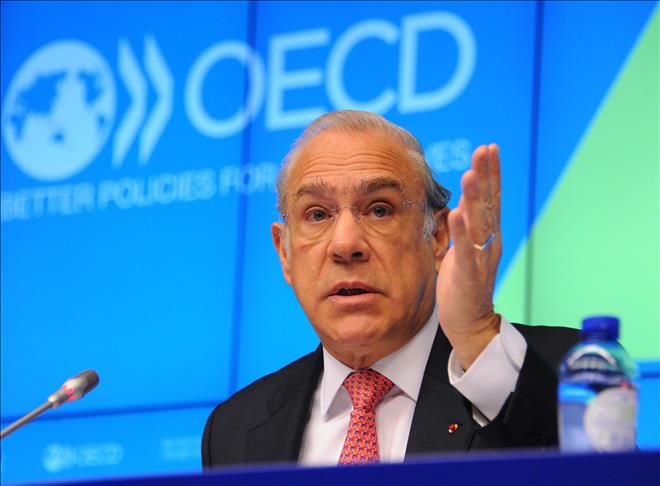
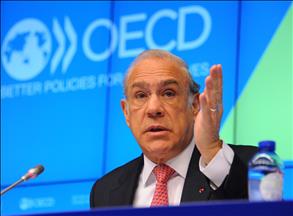
“Education can lift people out of poverty and social exclusion, but to do so we need to break the link between social background and educational opportunity,” OECD Secretary-General Angel Gurria said.
“The biggest threat to inclusive growth is the risk that social mobility could grind to a halt. Increasing access to education for everyone and continuing to improve people’s skills will be essential to long-term prosperity and a more cohesive society,” he added.
The vital role of education in influencing employment was stressed in the report; unemployment among people with a tertiary education stands at 5 percent in OECD member states; this rises to to 14 percent among people without an upper secondary education.
Turkey, one of founding member countries of the OECD, has reduced its share of young adults who have less than an upper secondary education from 63 percent in 2005 to 54 percent in 2012.
Despite this significant success, the share of 25-34 year-olds with below upper secondary attainment in Turkey remained far above the OECD average of 17 percent.
Turkey has one of the highest earnings premiums among OECD countries. In 2012, adults with a third-level education in Turkey earned 91 percent more on average than an adult with an upper secondary education, compared with the OECD average of 59 percent.
www.aa.com.tr/en