A global halal economy platform is making the case that halal certification and environmental sustainability are not separate standards - and that recognizing the connection between the two could unlock one of the world's fastest-growing consumer markets.
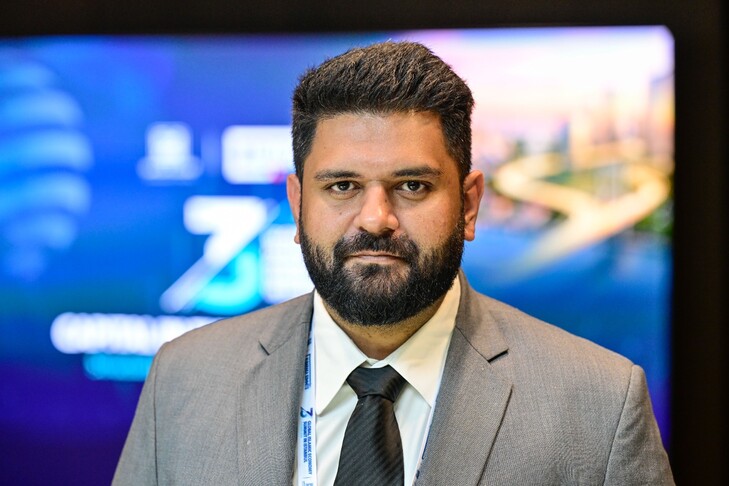
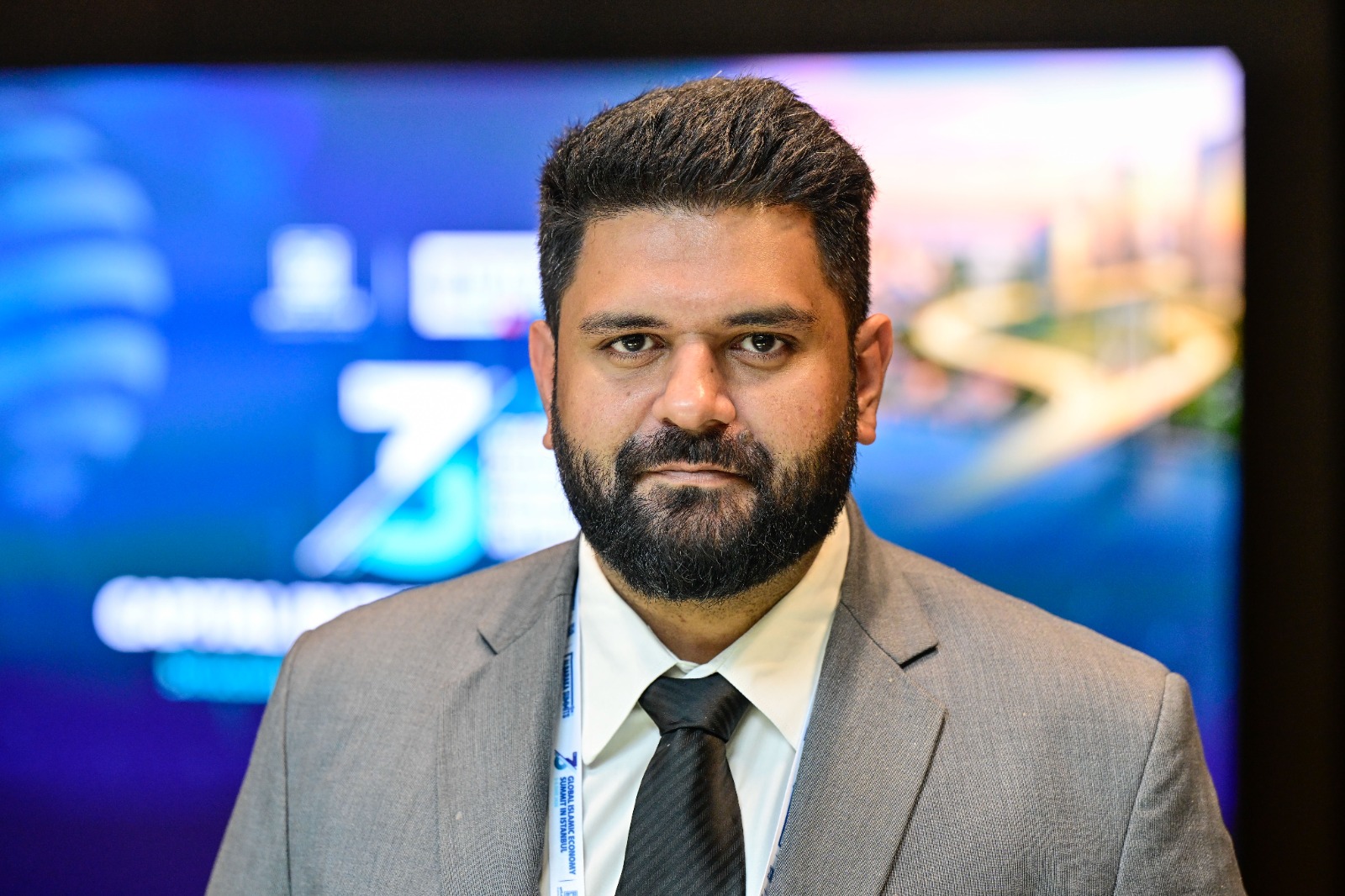
CEO of Halal 360 Mahmood Godel made the case at the Al-Barakah Islamic Finance Summit in Istanbul, calling on business leaders and policymakers to reframe how halal is understood in global trade and consumer culture.
Halal 360 is a London-based platform that organizes industry forums in London and Makkah, develops AI-powered halal verification tools, and is building a global certification database spanning Malaysia, Thailand, Qatar, and Saudi Arabia — all aimed at making halal standards faster and more accessible for businesses and consumers worldwide.
Halal already contains all of it. "Something that is not sustainable can never be halal," Godel said. "If you are polluting the environment, damaging the ecosystem - that is not the teachings of Islam."
Halal - Arabic for "permissible" - carries a meaning far beyond dietary rules. It is a question of ethics: is this pure? Does it cause harm? Its opposite, haram, means forbidden -- not arbitrarily, but because something causes harm or injustice. It is a framework the modern world is now racing to reinvent under different names — ESG standards, ethical supply chains, sustainability certifications.
The global halal economy is projected to reach nearly 10 trillion dollars by 2030, spanning food, pharmaceuticals, cosmetics, logistics, and finance. But Godel argues its true scale is being held back by a narrow public understanding of what halal actually means, and wants to know why Muslim-majority countries are not leading its development.
He points to the rise of veganism as a useful comparison. Once considered a niche dietary preference, veganism has evolved into a mainstream global market, supported by clear labelling standards, investment, and widespread consumer awareness.
Today, the global vegan food market is valued at more than $20 billion. By comparison, halal products serve a potential consumer base of around 2 billion Muslims worldwide, yet the sector has not achieved the same level of global visibility, branding, or market penetration.
"Halal has to be of the highest quality, of the highest standards - it has to be pure," Godel said. "We just need to promote that. We need to create awareness."
That message is reflected in the tagline of the London Halal Forum, one of Halal 360's flagship events: "Halal Tayyab for Humanity." The phrase emphasizes the concept of tayyab—meaning wholesome, ethical and pure—and signals an effort to position halal standards as relevant beyond Muslim consumers alone.
"It's not just for Muslims, it's for the entire humanity," Godel said.
The irony, according to Godel, is that while halal is rooted in Islamic teachings, much of the investment, innovation and export growth is increasingly being driven by actors outside the Muslim world.
Brazil is the world's biggest exporter of halal meat, while Thailand is a major supplier of halal-certified food products, including poultry and processed foods. Meanwhile, Islamic finance is expanding across Western Europe, as the trillion-dollar industry remains among the world's fastest-growing financial sectors.
Godel said the interest from outside traditional Muslim-majority markets was telling: "There is a reason that the major producers of halal products are non-Muslim countries like Brazil, like Thailand. China is focusing now, Islamic finance is being promoted in Western countries -because they realize the true potential."
"Muslims should not be the participants of the halal industry, but should be the leaders of the halal industry," Godel added.
"What we do is that we take halal for granted because it is easily available for us," he said and noted that non-Muslim academics had also entered the field. "I met a lot of scholars who are non-Muslims but have done PhDs in Islamic financing. So, they realize the potential."
Halal 360 is working to build the technical backbone the industry currently lacks. The organization is developing a global halal certification database covering countries including Thailand, Malaysia, Qatar, and Saudi Arabia, designed to make verification faster and more accessible for consumers and businesses alike.
Separately, it is working with chambers of commerce to develop AI-powered platforms for the broader industry.
"Everyone just wants to go online and see if the product is halal or not," Godel said. "We are developing a database globally with different countries just to make it easy and accessible."
The organization has dedicated segments on artificial intelligence and technology at its upcoming forums in both London and Makkah, reflecting what Godel describes as a strategic bet on AI as the primary driver of the industry's next phase.
At a moment when sustainability is reshaping consumer behavior and corporate strategy worldwide, Godel's core pitch is straightforward: the standards that global markets are racing to build already exist within halal. They simply need to be recognized, promoted, and scaled.
"Do you think that any industry that is polluting the environment, damaging the climate, damaging the ecosystem, can claim that the product is halal?" he said. “It's not just about the certification. It's about the ethics.”