By Kaamil Ahmed
KATHMANDU, Nepal - The chairs thrown and microphones smashed during a Nepali parliamentary brawl Tuesday were the final confirmation that tense last-minute talks to produce a new constitution would not prove fruitful.
The Jan. 22 deadline became the latest in a series of failed attempts to produce a constitution since the end of Nepal's decade-long civil war in 2006.
A country-wide shutdown was held by a 30-party opposition alliance Tuesday to condemn a ruling coalition proposal to push through a draft without consensus.
DHAKA, Bangladesh - Bangladeshis found daily life further restricted by a three-week political crisis, which has killed at least 30 people and injured more than 300.
Two-day shutdowns hit the capital, Dhaka, and commercial center Chittagong, while government attempts to stop the coordination and carrying out of widespread arson attacks saw it temporarily block social messaging services and ban motorcycles from carrying passengers.
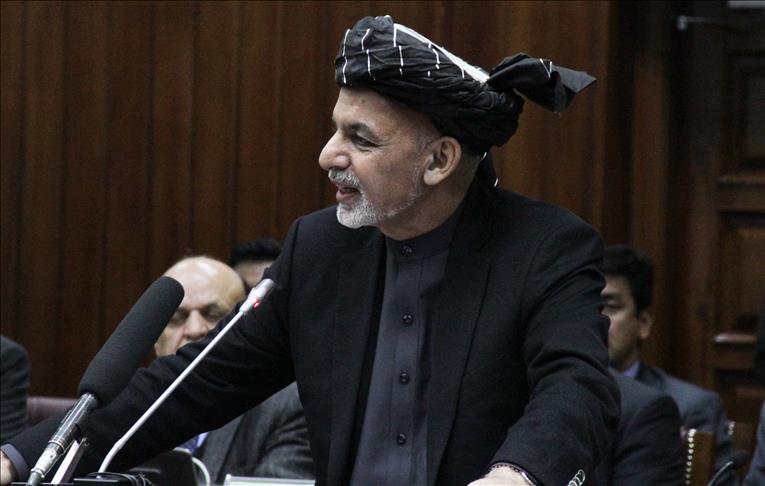
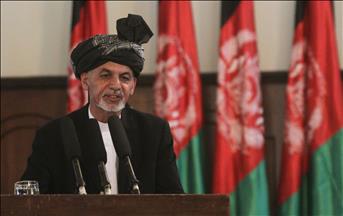
KABUL, Afghanistan - Afghan President Ashraf Ghani used diplomatic meetings with representatives from both China and Iran to build ties with regional neighbors he hopes can help rebuild Afghanistan after decades of conflict.
At an event celebrating 60 years of diplomatic ties with China, he said: "Over the next 20 years, Asia will serve as the world’s economic hub, as it had been three centuries ago."
KARACHI, Pakistan - Pakistan banned the militant Haqqani network, a group known for attacking foreign troops in Afghanistan that Islamabad had previously resisted targeting.
Since a Taliban attack that killed more than 100 children in December, the Pakistani government has declared that it will fight all militant groups.
Teachers in Khyber Pakhtunkhwa, the province where the 100 children were killed, will be allowed to carry arms according to a local government move. Security guards will also be given weapons but experts say the move will likely cause further distress to the province's already traumatized children.
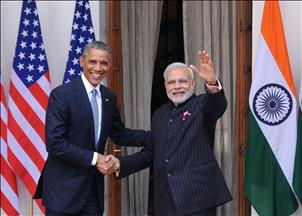
NEW DELHI - A campaign to protect girls from selective abortions was launched by India's Prime Minister Narendra Modi. He called on Indians to protect and provide opportunities to Indian girls who undergo abortions, often in families that place greater value on boys.