Ahmet Salih Alacaci and Diyar Guldogan
24 July 2026•Update: 25 July 2026
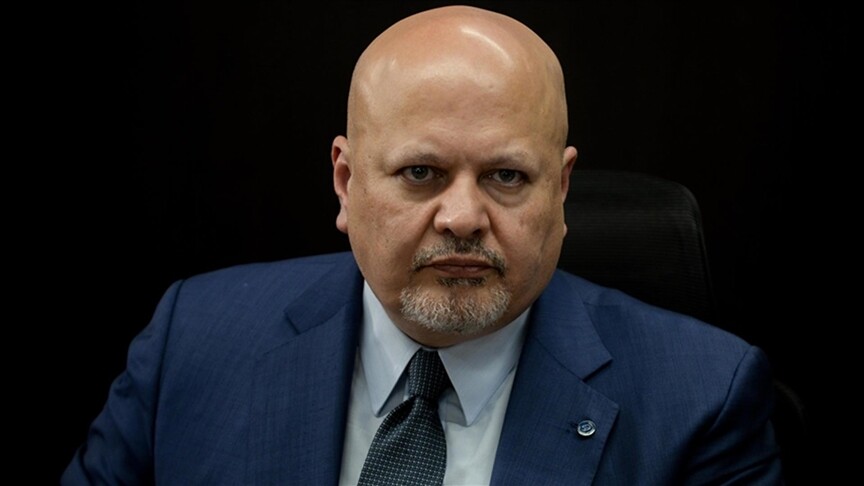
Member states of the International Criminal Court (ICC) voted Friday to remove Chief Prosecutor Karim Khan over sexual misconduct allegations, his legal team said, pledging to challenge the decision through all available legal avenues.
Tayab Ali, a partner at Bindmans LLP and head of Khan’s legal team, said the Assembly of States Parties had disregarded serious due process concerns and removed Khan despite what he described as the absence of a lawful finding of misconduct.
Khan has denied sexual misconduct allegations against him from the outset.
A total of 82 of the court’s 125 member states supported Khan’s dismissal during a secret vote at UN headquarters in New York. Thirteen voted against, with 15 abstentions.
"The assembly decided by a majority of 82 states parties that the elected official, prosecutor, Karim Khan, committed serious misconduct and a serious breach of duty ... and to remove the elected official prosecutor Karim Khan from office," said the president of the court's governing body, Paivi Kaukoranta.
He is the first chief prosecutor removed from office in the ICC’s history.
The vote followed an investigation and a recommendation by the executive bureau of the ICC’s governing body that Khan be dismissed after it concluded he had an inappropriate sexual relationship with a junior staff member.
Khan had been suspended from his duties in June while the disciplinary process continued. The court’s deputy prosecutors have overseen the prosecution office during his absence.
His removal will not invalidate existing ICC investigations or arrest warrants, which can only be withdrawn or altered by the court’s judges. Member states are expected to begin the process of selecting his successor.
According to Ali, the UN Office of Internal Oversight Services conducted a yearlong investigation and made 137 findings, none of which concluded that Khan had committed misconduct.
Ali said an independent panel of three senior international judges subsequently reviewed the report and underlying evidence. The panel unanimously determined on March 9 that the findings did not establish misconduct or a breach of duty under the applicable legal framework, he said.
Khan’s lawyers argued that the Assembly’s decision nevertheless followed a recommendation from the ICC governing body’s Bureau, which they described as political.
They said Khan and his legal representatives were barred from addressing the assembly before the vote and that the procedure was changed during the case, replacing a separate two-thirds vote on whether serious misconduct had occurred with a single motion requiring an absolute majority.
The decision was reached through a process in which Khan “was never given a fair opportunity to be heard,” Ali said.
Khan will contest the lawfulness and fairness of his removal, the statement added.
In May 2024, Khan’s office sought arrest warrants for Israeli Prime Minister Benjamin Netanyahu, then-Defense Minister Yoav Gallant and Hamas leaders over alleged war crimes and crimes against humanity related to the Gaza war.
The ICC later issued warrants for Netanyahu, Gallant and Hamas military commander Mohammed Deif. The action drew condemnation from Israel and the US, which later imposed sanctions on Khan and other ICC officials.
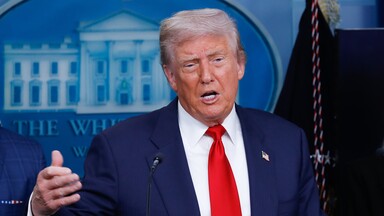
Following the vote, the US State Department said the decision would not alter the Trump administration's plans to dismantle the "corrupt" court.
"Karim Khan is a quintessential example of the ICC's corruption and abuse of its supposed authority. It is good that he is gone, but he is only one small cog in this irredeemably corrupt institution.
"Today's outcome will have no impact on the United States' plans to dismantle the ICC," spokesman Tommy Pigott said on US social media company X.
Khan's removal follows renewed criticism of the ICC from the Trump administration. Speaking Thursday in the Philippines, Secretary of State Marco Rubio said there were "lunatics and crazies involved in the ICC" and reiterated that no US political or military officials would ever stand trial before the court.