Saadet Gokce
03 May 2026•Update: 03 May 2026
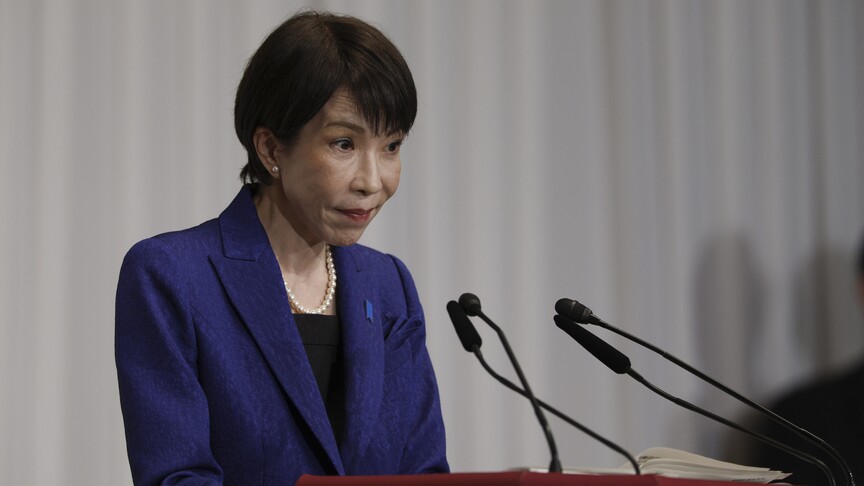
Japan on Saturday emphasized strengthening supply chain resilience in energy and critical materials as a key element of its new Indo-Pacific strategy, Prime Minister Sanae Takaichi said in Vietnam.
Takaichi revealed the new policy in a speech to Vietnam National University students on a visit to the country between Friday and Sunday.
The document, titled the Updated Free and Open Indo-Pacific, states that the revision to Tokyo's vision reflects a world undergoing rapid change driven by fast-moving technological innovation, rising social challenges linked to the Global South’s growth, and intensifying geopolitical competition.
The three priority areas were identified as building AI- and data-era economic infrastructure, including stronger supply chain resilience for energy and critical materials; creating economic growth through public-private cooperation and rule-sharing; and enhancing security cooperation to ensure regional peace and stability.
The document outlines several projects, including mineral recycling cooperation with the Association of Southeast Asian Nations (ASEAN), international joint research under Horizon Europe with Europe, and rare earth refining collaboration with France.
It also includes efforts to strengthen pharmaceutical supply chain resilience with the US, and provide unmanned aerial vehicles (UAVs) to Malaysia, Sri Lanka, and Tonga, among many other projects.
"In the Indo-Pacific, where supply chains cross national borders in complex ways, maintaining and expanding a rules-based economic order is indispensable for sustainable economic growth," said Takaichi in her speech.
Japan will promote the expansion of the Comprehensive and Progressive Agreement for Trans-Pacific Partnership, she added.
Takaichi also called for the development of AI models reflecting Asia's diverse languages and cultures during her speech.
"Building reliable communications infrastructure for massive data exchange is also an urgent task," she said, highlighting that Japan will promote the development of undersea cables, Open RAN, satellite communications, and all-optical networks throughout the Indo-Pacific, which she called as "the FOIP Digital Corridor Concept."
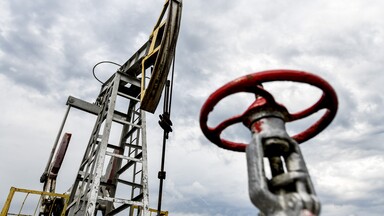
The Japanese prime minister also outlined a medium- to long-term structural response to the oil shock caused by the disruption of the Strait of Hormuz, including plans to develop a regional oil stockpiling and release system.
Emphasizing the importance of maritime security in the new strategy, she said: "Japan spares no effort in working together with ASEAN countries to uphold free and open seas."
She added that Official Security Assistance, which provides "direct support to the armed forces of like-minded countries," as well as Official Development Assistance will be expanded.
Takaichi is currently on a visit to Australia.