- Lawyer describes court's orders for return, family reunification and compensation as far-reaching, says ruling will set important precedent for future genocide cases
Myanmar has "no credible" grounds to avoid implementing the International Court of Justice's (ICJ) landmark genocide ruling, The Gambia's lead lawyer in the case said, urging the international community to use its influence to ensure justice for Rohingya Muslims after years of suffering.
Arsalan Suleman told Anadolu that the historic judgement, which came after seven years, should offer hope to Rohingya victims, many of whom have spent nearly a decade in refugee camps awaiting justice.
"Certainly a long time for the victims who have been mostly spending the past nine years or so in the refugee camps, that time has passed very slowly, and justice for them has seemed elusive," Suleman said.
"But I think today's judgment should be a sign of hope that there will be accountability for the genocide that they suffered," he added.
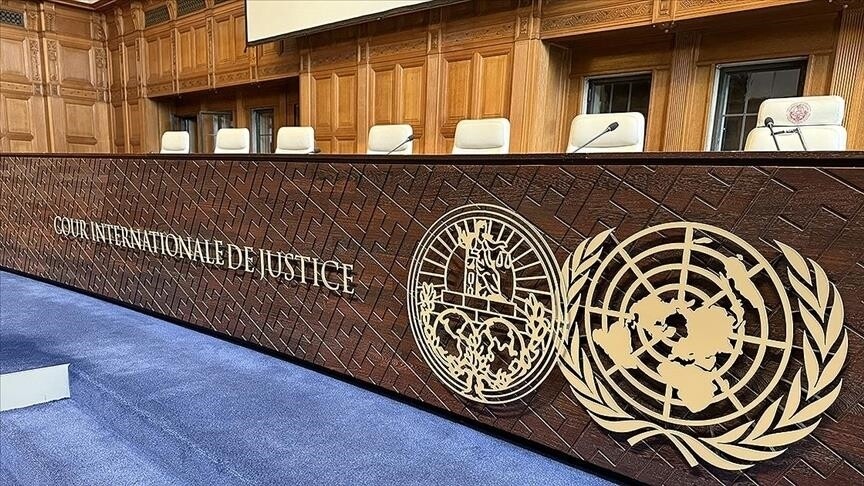
In a historic decision Thursday, the ICJ ruled that Myanmar committed genocide against the Rohingya during its military operations in Rakhine state in 2017, marking the first time the UN's highest court has held a state responsible for committing genocide.
The ruling came seven years after The Gambia brought the case against Myanmar in November 2019, following a military crackdown that forced more than 700,000 Rohingya to flee to neighboring Bangladesh.
Suleman said the court's findings were particularly significant because they recognized the Rohingya as a group indigenous to Myanmar that had endured decades of discrimination before being subjected to genocidal violence.
"This is such an important judgment that has addressed so many of the issues that Gambia raised to the court," he said.
Myanmar must implement ruling
Asked how this judgment would translate into real action on the ground, Suleman stressed that the ruling is binding under international law.
"Myanmar is obligated to implement this judgment, and Myanmar fully participated in this case," he said. "There's no credible way for Myanmar to say that there's some reason why they should not implement this judgment."
Suleman also emphasized that the responsibility to secure implementation should not rest solely with Myanmar, saying that governments and international organizations could help turn the court's decision into concrete action.
He called on the UN, regional organizations and countries maintaining relations with Myanmar to use their influence to support compliance with the ruling.
All of those who have leverage and influence on Myanmar "should be focused on supporting and promoting the implementation of this judgment," he said.
Court orders sweeping measures for Rohingya victims
Beyond declaring that Myanmar committed genocide, the court ordered measures intended to address the consequences of the violence and help Rohingya victims rebuild their lives.
These include allowing refugees to return safely and voluntarily to their homes, reuniting separated families, restoring or replacing lost property, and providing physical and psychological rehabilitation.
Myanmar must also facilitate efforts to locate disappeared Rohingya, identify those killed and ensure dignified burials, while protecting survivors from further discrimination and persecution.
"This is the most far-reaching suite of restitution orders that I think the court has ever given," Suleman said.
He emphasized that the court had granted almost all the remedies sought by The Gambia, despite rejecting some of its claims.
The judgment also requires Myanmar to take steps to prevent further genocidal violence and provide compensation for losses suffered by the Rohingya.
Myanmar must submit a report within two years detailing the measures it has taken and proposed compensation, with the amount and arrangements for reparations to be determined in a subsequent phase of proceedings.
Suleman described the measures as "extremely comprehensive" and said they "really met the Gambia's desire in terms of what it wanted to see from the court."
Landmark precedent for other genocide cases
Asked whether the judgment could influence other genocide proceedings before the ICJ, particularly South Africa's Gaza genocide case against Israel, Suleman said the ruling would become an "important legal precedent."
However, he cautioned that the outcome of other cases could not be predicted on the basis of the Myanmar judgment.
"Really, a touchstone precedent under the Genocide Convention, but there is no way to predict how it will impact other cases because those cases are going to be decided and litigated and adjudicated based on the facts of those cases and the evidence put forward," he said.
South Africa filed its genocide case against Israel in December 2023, accusing it of violating the Genocide Convention through its military operations in Gaza.
The ICJ issued several binding provisional measures in 2024, including orders for Israel to prevent acts of genocide and facilitate humanitarian assistance, but has yet to deliver a final judgment.
Suleman said he hoped the Myanmar ruling would resonate beyond the Rohingya case and encourage others seeking accountability for grave violations.
"I hope this judgment gives people around the world hope in the promise of international accountability and justice," he said.
“I hope this gives anyone that is seeking justice and accountability hope that institutions like the ICJ will consider the evidence and will adjudicate fairly and impartially.”