Necva Tastan Sevinc
27 April 2026•Update: 27 April 2026
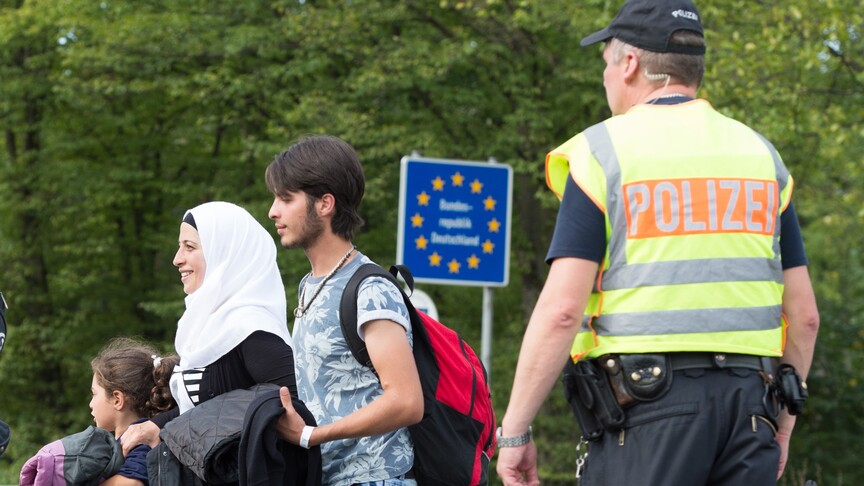
Dutch mayors have sharply criticized Germany’s continued border controls following a fatal multi-vehicle crash, warning that the measures are causing accidents, economic losses, and may breach European law, according to local media.
A 66-year-old man was killed on Saturday when seven vehicles collided near Babberich in the Gelderland province of the Netherlands, with congestion at German checkpoints widely cited as a contributing factor. The crash has reignited debate over controls introduced by Berlin in 2024 to curb irregular migration, the Dutch daily Trouw reported on Sunday.
Nijmegen Mayor Hubert Bruls called the accidents “extraordinarily tragic,” saying they make the continued checks “even more bitter.” He urged Germany to end what he described as a “quasi-permanent” measure.
“I had quite a bit of understanding” when the controls were introduced, Bruls said, citing high refugee flows and public concern at the time. “But more than a year and a half later, the situation is very different.”
He questioned whether the policy still complies with EU law governing the Schengen Area. “The question that really needs to be raised now is whether this is still in accordance with European law,” he said, adding that legal experts doubt its validity.
Doetinchem Mayor Mark Boumans also voiced frustration, saying he was “deeply disappointed” Germany had failed to find solutions that limit migration “without enormously harmful side effects.”
Border municipalities report rising disruption, including traffic jams, accidents, and increased “cut-through” traffic through local villages. Transport and Logistics Netherlands estimates that delays affecting freight have already caused losses running into millions of euros.
Despite mounting criticism, Germany signaled it will maintain the controls, with the next review expected in September. Authorities argue the policy is effective, citing police data showing 3,476 people detained for illegal entry between September 2024 and March 2026, with 1,730 denied entry and 157 suspected smugglers arrested.
Bruls questioned the effectiveness of fixed checkpoints, suggesting mobile patrols further inland would be “more effective, smarter, and less of a nuisance.” As chairman of the Euregio Rhine-Waal network, he said he would push to increase pressure on Berlin.