Beyza Binnur Donmez
02 October 2026•Update: 02 October 2026
G7 leaders on Friday agreed to immediately begin a coordinated release of 100 million barrels from emergency oil reserves over four months in response to surging prices and growing volatility in global energy markets.
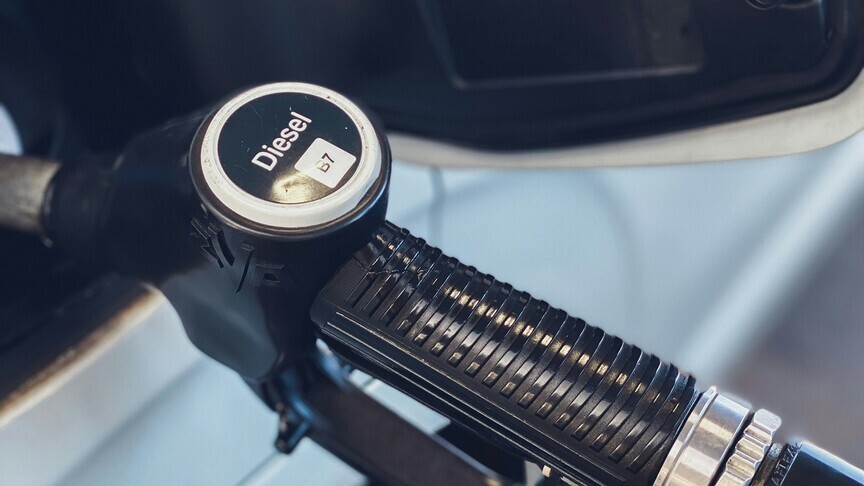
The release, coordinated through the International Energy Agency, will include a “frontloaded substantial diesel release” by G7 members and partners within the first 20 days, according to a statement issued after a virtual meeting of the group's leaders.
The G7 said it would meet within the agency's framework in the coming days to discuss possible additional diesel releases if necessary.
“We reaffirm our commitment to refrain from export restrictions on energy and energy products between G7 countries and call on all producers to refrain from imposing bans that could exacerbate market tensions,” the statement said.
The group also agreed to coordinate maintenance schedules across G7 refineries to avoid simultaneous capacity shutdowns and temporarily increase utilization rates where possible.
The agency was asked to monitor the implementation and impact of the measures and deliver a follow-up report within 20 days, according to the statement.
The G7 also called for the “immediate and full restoration” of navigational rights in the Strait of Hormuz, expressing its “determination to redouble our collective efforts to that end.”
The group said it would maintain sanctions against Russia while working with the International Energy Agency and other partners to limit spillovers into fuel, gas and other commodity markets.
EU welcomes release of emergency reserves
European Council President Antonio Costa welcomed the coordinated measures, saying EU leaders would discuss the energy situation at their Oct. 15-16 meeting.
"I welcome today’s G7 coordinated measures in response to the global energy situation: a coordinated release through the IEA of 100 million barrels, beginning immediately and continuing over four months, with the release of diesel front-loaded, by G7 members and partners; a commitment to refrain from imposing export restrictions on energy and energy products between G7 countries, and a call on all producers to refrain from imposing bans that could exacerbate market tensions," Costa said in a post on the US social media platform X.
He said EU leaders will address “how we can alleviate the impact of rising energy prices on European citizens, businesses and industry” during the European Council meeting in October.
According to Costa, the crisis also highlighted the need to reduce dependence on fossil fuels and accelerate the transition toward homegrown energy sources.