Muetaz Wannes and Rania Abushamala
07 October 2026•Update: 07 October 2026
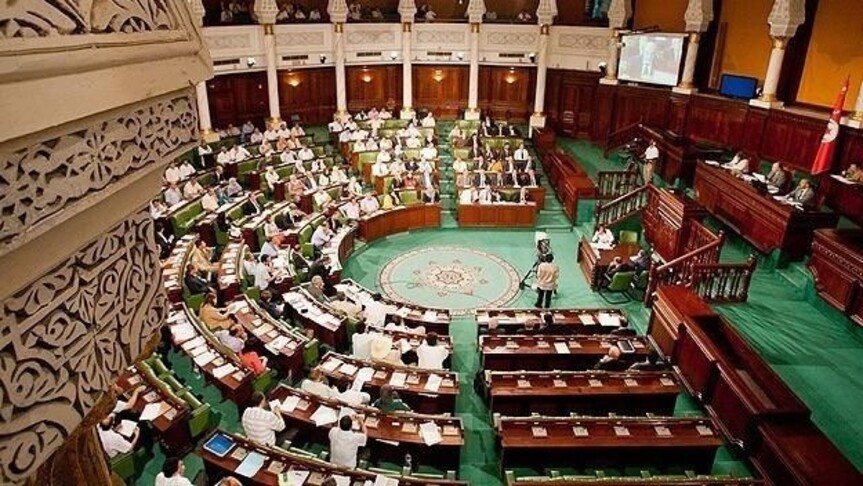
Libya’s House of Representatives in the country’s east elected lawmaker Al-Salihin Abdul Nabi al-Obeidi as speaker, replacing Aguila Saleh, parliament spokesman Abdullah Blihaq announced Tuesday.
The election took place during a session at parliament’s official headquarters in Benghazi, chaired by Second Deputy Speaker Misbah Doma and devoted to electing the presidency, according to Blihaq’s statement.
Al-Obeidi represents the first electoral district in Tobruk, in Libya’s far east, and serves on parliament’s Foreign Affairs Committee.
Before his election, he chaired the Libyan-Turkish Parliamentary Friendship Committee, established by the House of Representatives in April 2024.
He has worked to develop ties with Türkiye through parliamentary diplomacy and economic and cultural cooperation.
His election came a day after 98 lawmakers voted to amend parliament’s internal rules and form a new presidency, ending the tenure of the existing presidency led by Saleh.
Lawmaker Mohammed Tamer previously told Anadolu that 102 members attended Monday’s session in Benghazi, which Doma chaired.
He said 98 lawmakers approved an amendment introducing a parliamentary term.
Saleh rejected Monday’s session, describing it in a statement as “unofficial” and saying it had “no legal effect.”
He said its decisions lacked a legal basis because the procedures stipulated in the law governing parliament and its internal rules had not been followed, particularly those concerning the amendment and adoption of laws.
Two weeks earlier, 86 lawmakers accused Saleh in a joint statement of preventing them from entering parliament’s headquarters and holding a session with the required quorum to discuss parliamentary reform and amendments to its internal rules.
Their demands focused particularly on Law No. 4 of 2014, which adopted the House of Representatives’ internal regulations.
The law does not set a fixed term for the speaker or require a new election after a specified period. Some lawmakers oppose that arrangement and have called for annual internal elections to renew parliament’s leadership.
Libya remains divided between two rival governments: the Government of National Unity, headed by Abdul Hamid Dbeibeh and based in Tripoli, which governs western Libya, and the government of Osama Hammad, which was appointed by the House of Representatives in early 2022 and based in Benghazi, governing the east and most southern cities.
The UN mission in Libya has been pursuing efforts to lead the country toward elections that could resolve the crisis.