By Josh Carroll
YANGON
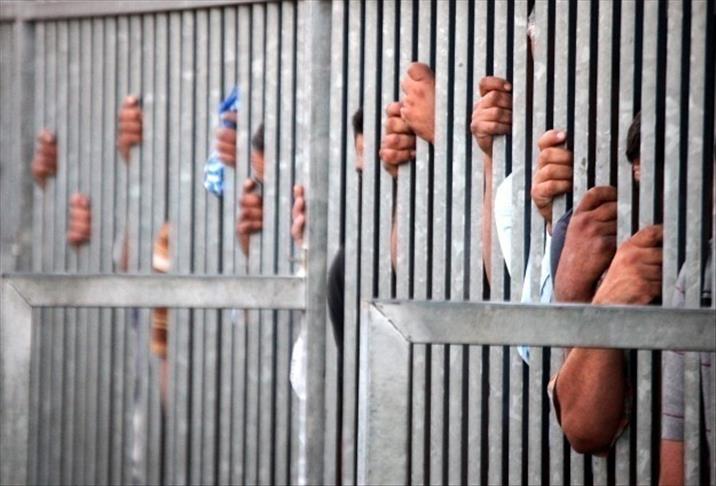
Myanmar pardoned almost 7,000 prisoners Thursday, including over 150 Chinese nationals who were this month given life sentences for illegal logging on Myanmar’s side of the border.
A statement on the Information Ministry’s Facebook page said the prisoners were being freed for “humanitarian” reasons and for national reconciliation. It added that there were 210 foreigners among the 6966 released.
President Thein Sein has earned international praise for releasing political prisoners since he began reforms in 2011, but Thursday’s amnesty appears to largely benefit ordinary criminals.
The release comes ahead of a crunch general election on Nov. 8 that will be seen as a test of Thein Sein’s reforms amid widespread criticism that the military, which ruled until 2011, has not given up enough power.
The Assistance Association of Political Prisoners (AAPP), a local rights group, has so far confirmed 13 of those released as prisoners of conscience.
Thein Sein has timed previous amnesties to coincide with Myanmar being under the international spotlight. The AAPP criticised Thein Sein for an amnesty ahead of a visit by Barack Obama in 2012 because it included no political prisoners.
Some former military intelligence officials are also believed to be among those freed.
The inclusion of the Chinese loggers is likely to be an attempt to assuage China as diplomatic tensions simmer between the long-term allies. China’s foreign ministry said it was “extremely concerned” after 155 of its citizens were sentenced in northern Myanmar for illegal logging this month.
Their arrests came amid a crackdown by Myanmar authorities in Kachin state aimed at stemming an illegal cross border trade in timber that is feeding voracious Chinese demand for raw materials.
Fighting between the Myanmar Army and ethnic rebels in east Myanmar has also damaged relations between the countries this year, with stray shells killing bystanders on Chinese soil.
Over a hundred political prisoners remain locked up in Myanmar and over 400 more are awaiting trial, according to the AAPP.