By Alex Jensen
SEOUL
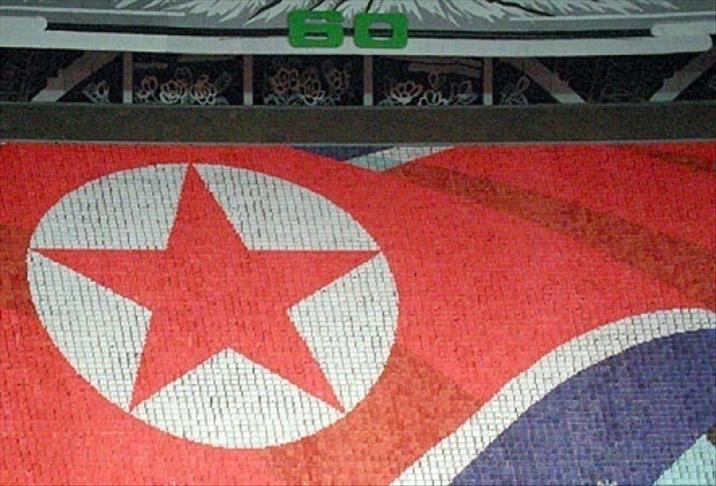
July 19. That is the day North Koreans will next go to the polls, according to the country’s state-run KCNA news agency Tuesday.
Like last year’s parliamentary elections, which saw unopposed leader Kim Jong-un re-elected, the competition is not expected to be stiff this summer.
July’s vote will see local assembly deputies selected in the first elections of their kind since Kim rose to power following his father’s death in late 2011.
While North Korean elections are often dismissed by critics as a sham -- all seats fall under the banner of the Democratic Front for the Reunification of the Fatherland -- they can be an opportunity to assess any changes in the workings of the reclusive state’s hierarchy.
Turnout is expected to be close to 100 percent -- failure to vote is tantamount to treason, according to those who have been able to escape the country through China.
In any conventional democracy, these elections would be seen as a crucial test of support for local leaders, given North Korea’s reported food scarcity as a result of drought.
South Korea has also been suffering because of unusually dry weather, but the North’s neighbor has a far more developed infrastructure to cope.
The United Nations has already cautioned that North Korea is likely to experience food shortages as a result.
Perhaps in an effort to inspire a spirit of loyalty, a separate KCNA report Tuesday covered a visit by Kim Jong-un to an iconic site from the 1950-53 Korean War. During the trip, he apparently attempted to foster both national and anti-American sentiment by recalling the achievements of his grandfather and North Korea founder, Kim Il-sung.