BANGKOK
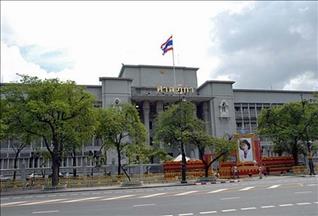
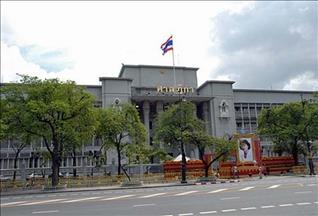
A Thai court indicted Monday a British migrant rights worker over a report detailing alleged abuses of workers’ rights at a fruit processing company, less than a year after he was acquitted in a defamation case.
Andy Hall faces a maximum sentence of seven years in prison if he is convicted on the charges of defamation and violation of the Computer Crimes Act.
Last October, Hall won a separate criminal trial on the same case when the court dismissed it for “lack of disclosure of all evidence by the prosecution to the defense.” The attorney general had appealed the ruling.
“This is judicial harassment. These people [from the Natural Fruit company] are really abusing the laws,” Hall told Anadolu Agency in a phone interview after the indictment Monday.
Expressing confidence about winning the case “although all this has been very tiring,” he said he was trying to look at the positive side while thinking that “the case can raise attention to the abuses of migrant workers’ rights.”
Hall has been facing charges since the publication in 2013 of a research report, commissioned by Finland-based watchdog Finnwatch, on the work conditions of Myanmar migrant workers in a fruit processing factory owned by Natural Fruit, the largest Thai company in the sector.
The report based on interviews with factory workers incriminated the company for its poor treatment of migrant workers, including wages below the legal minimum, long work hours and confiscation of passports.
Sonja Vartiala, executive director of Finnwatch, released a statement after Monday’s ruling criticizing the Bangkok South Criminal Court for passing on the opportunity “to put an end to a saga of intimidation already lasting 30-months aimed at nothing but gagging a human rights defender.”
“Regrettably, the court chose instead to press on with a trial of these unfounded charges,” she added.
Natural Fruit has filed a total of four cases – two of them criminal and two civil – against Hall under Thailand’s severe defamation laws following the publication of the “Cheap Has a High Price” report.
The civil cases are seeking 4 million baht ($112,000) in compensation for alleged damage to the company’s reputation.
“To equate someone’s reputation with another person’s liberty is always disproportionate,” said Vartiala. “Thailand should abolish its criminal defamation laws as they infringe on freedom of expression.”
The first hearing for the second criminal case is set to be held Oct. 19, while a decision on the appeal of the first case is expected Sept. 25.
Millions of migrant workers underpin much of the Thai economy but are often exploited and deprived of rights, according to labor organizations.
Around two million Myanmar migrant workers are working in Thailand, mostly in the food, fishing and construction industries. Many of these migrant workers do not have proper documentation and are vulnerable to exploitation.
The Thai junta, who took power in a military coup last year, has said that it wants to "regularize" migrant workers in order to protect their rights. Besides workers from Myanmar, many Cambodian and Laotian migrants also work in poor conditions in Thailand.