VIENNA, Austria
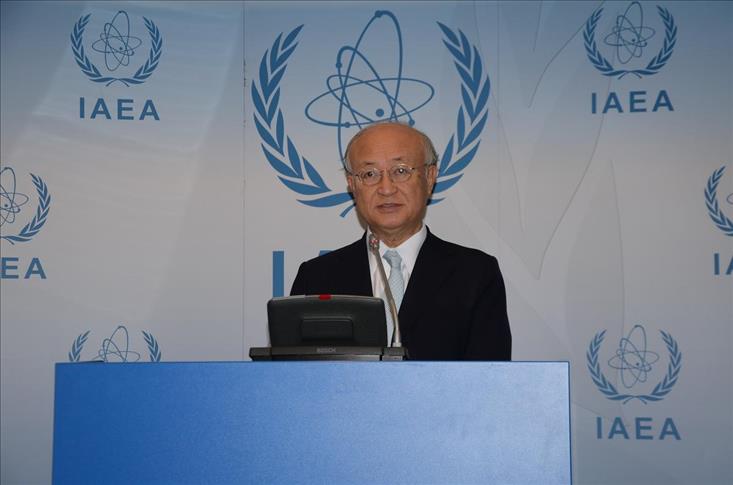
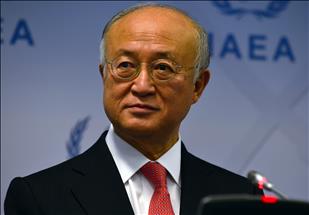
The International Atomic Energy Agency (IAEA) will need around $10.5 million a year to assess Iran’s nuclear capacity, Director-General of the U.N.-affiliated atomic energy watchdog, Yukiya Amano said Tuesday.
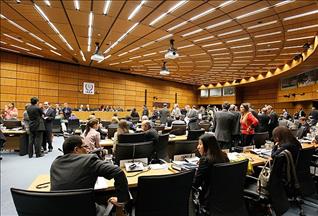
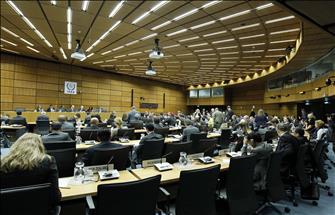
“We estimate that implementation of the Joint Comprehensive Plan of Action (JCPOA) will involve expenditure by the Agency totaling 9.2 million euros per year,” Amano told a special meeting of the agency's Board of Governors on Iran in the Austrian capital.
“I call on all Member States in a position to do so to contribute towards the financial needs of the Agency related to implementation of the Joint Plan of Action, as well as preparatory and implementation work under the JCPOA,” he said, referring to the verification and monitoring of Iran’s nuclear-related commitments under the recently concluded deal between Iran and world powers’ group on Iran’s nuclear energy program, which had led to U.N. sanctions.
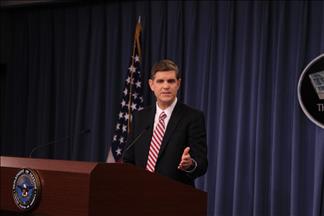
In Washington, the State Department said that it has “every intention” to continue to contribute to the energy watchdog ”and their funding needs, specifically as it relates to this deal”.
“We're committed to working with all of the member states to ensure that the IAEA has the resources that it needs,” spokesman John Kirby told reporters. “This is obviously critically important work, this verification regimen that the IAEA is responsible for under this deal, and we want to make sure that they have the resources they need to get it done.”
He declined to announce any new funding contributions that the Obama administration might make, however.
On July 14, the world powers P5+1 group -- the U.S., the U.K., France, Russia, China and Germany -- reached a final nuclear agreement (JCPOA) with Iran, which agreed to curb its nuclear research program and to open its nuclear and military facilities for inspections.
“Iran has agreed to implement extra nuclear-related commitments, which are known as transparency measures. These include enhanced access for Agency inspectors to uranium mines and mills, and continuous surveillance of centrifuge manufacturing and storage locations”, Amano said.
“These measures go beyond the scope of Iran’s comprehensive safeguards agreement and additional protocol and will help the Agency to have a better understanding of Iran’s nuclear programme.
“There is now a historic opportunity to resolve the Iran nuclear issue. I hope that full use will be made of this opportunity," he added.
Amano is expected to present his final assessment to the Board by December 15.
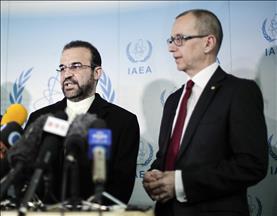
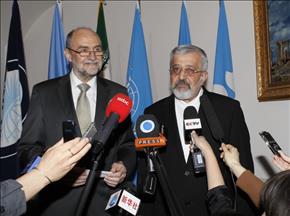
Iran's envoy at the IAEA, Reza Najafi, told reporters after the meeting that Iran was ready to cooperate with the Agency, and they would like to see the sanctions imposed against the country lifted.
Najafi also stressed the confidentiality of the information he received from the watchdog, warning against its disclosure.
"We will absolutely not accept the leakage of any confidential data by anyone," he said.